
Classroom lesson ยท Wildlife ยท ๐Ÿ‡ฌ๐Ÿ‡ช Georgia

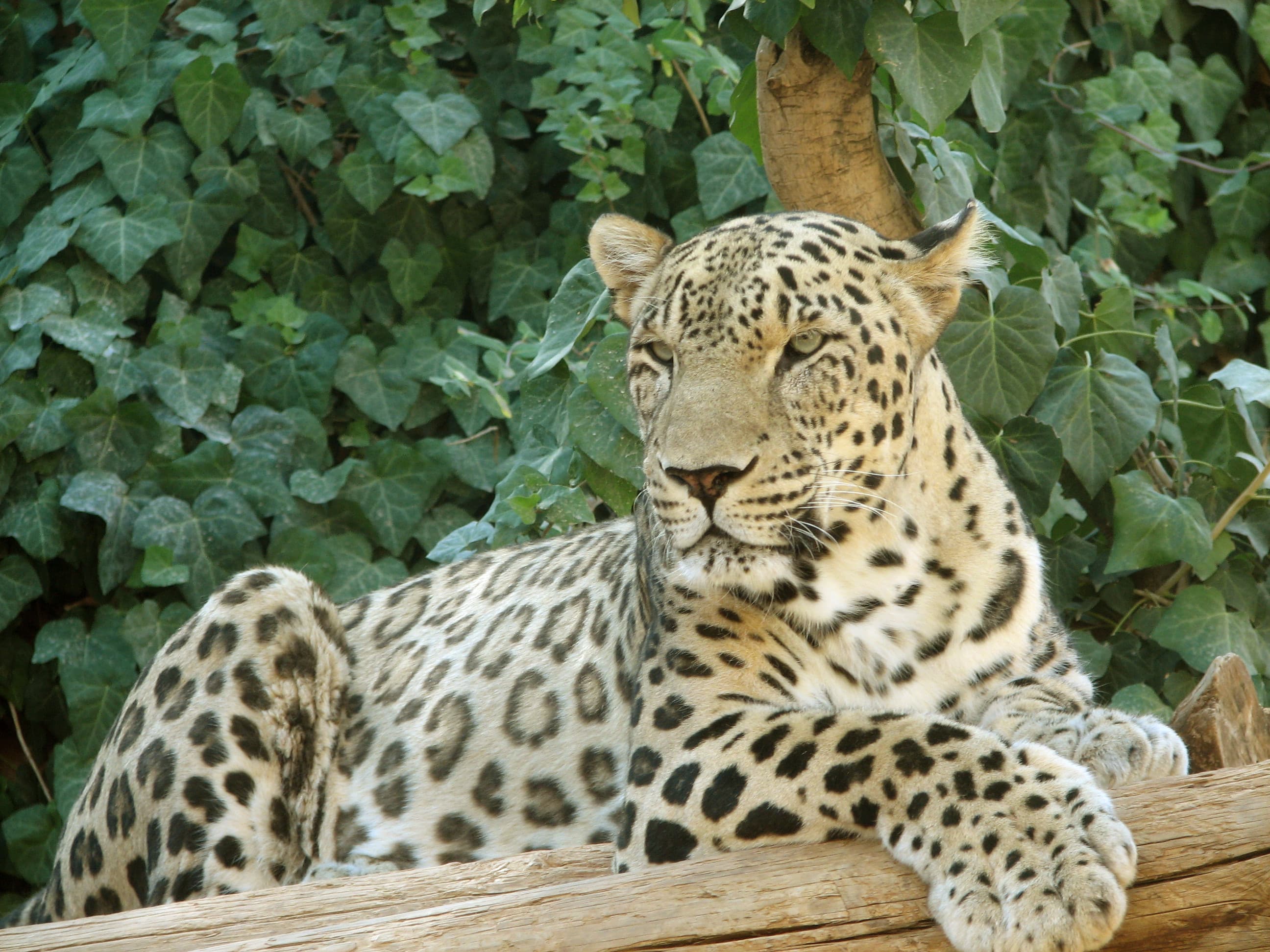
Caucasian Leopard

The rarest big cat in Europe, prowling Georgia's mountains

Photo ยท Wikimedia Commons

What is it?

The Caucasian leopard is a subspecies of leopard that lives in the mountain forests of Georgia and neighbouring countries. It is one of the rarest big cats in the whole of Europe and western Asia. With its beautiful spotted coat and powerful build, it is perfectly designed for life among rocky ridges and dense forest.

Tell me more

Caucasian leopards are solitary and very shy โ€” they almost never let humans see them. They are mostly active at night, padding silently through the forest on large paws. Their spotted coats break up their outline perfectly against dappled forest light and rocky shadows, making them almost invisible even when they are close.

In Georgia, the leopard lives mainly in protected areas such as Vashlovani and Borjomi-Kharagauli national parks. Scientists use camera traps โ€” cameras that take a photo automatically when an animal walks past โ€” to count them and study their movements. Each leopard has a unique pattern of spots, just like a human fingerprint, which helps researchers tell individuals apart.

Caucasian leopards eat deer, wild boar, and smaller animals. They are excellent climbers and often drag their prey up into trees to eat safely away from other animals. A leopard is strong enough to carry an animal heavier than itself straight up a tree trunk โ€” one of the most impressive feats of strength in the animal world.

Conservation projects in Georgia are working hard to protect these leopards. Some leopards have even been released back into the wild from breeding programmes, and camera-trap pictures occasionally catch a leopard with cubs โ€” always a cause for celebration among conservationists. Every individual born in the wild is a hopeful sign for the species.

In the classroom

Walk your class through this in 15 minutes.

Talk together

Discussion prompts

  1. 01Scientists identify individual leopards by their spot patterns. Can you think of other animals (or things in nature) where individuals can be told apart by their markings?
  2. 02Why might it be helpful for a leopard to be active at night rather than during the day?
  3. 03Conservation programmes are releasing leopards back into the wild. Why is it important to bring back animals that have become rare?
  4. 04If you were setting up a camera trap, where in a forest would you place it, and why?
Try this

Classroom activity

Design your own leopard! Draw an outline of a large cat and invent a completely unique spot pattern for it โ€” no two spots the same shape. Give your leopard a name and write three facts about where it lives and what it eats in its imaginary habitat.