
Classroom lesson ยท Music ยท ๐Ÿ‡ฏ๐Ÿ‡ฒ Jamaica

Reggae Music

Jamaica's gift to the world โ€” a rhythm heard on every continent

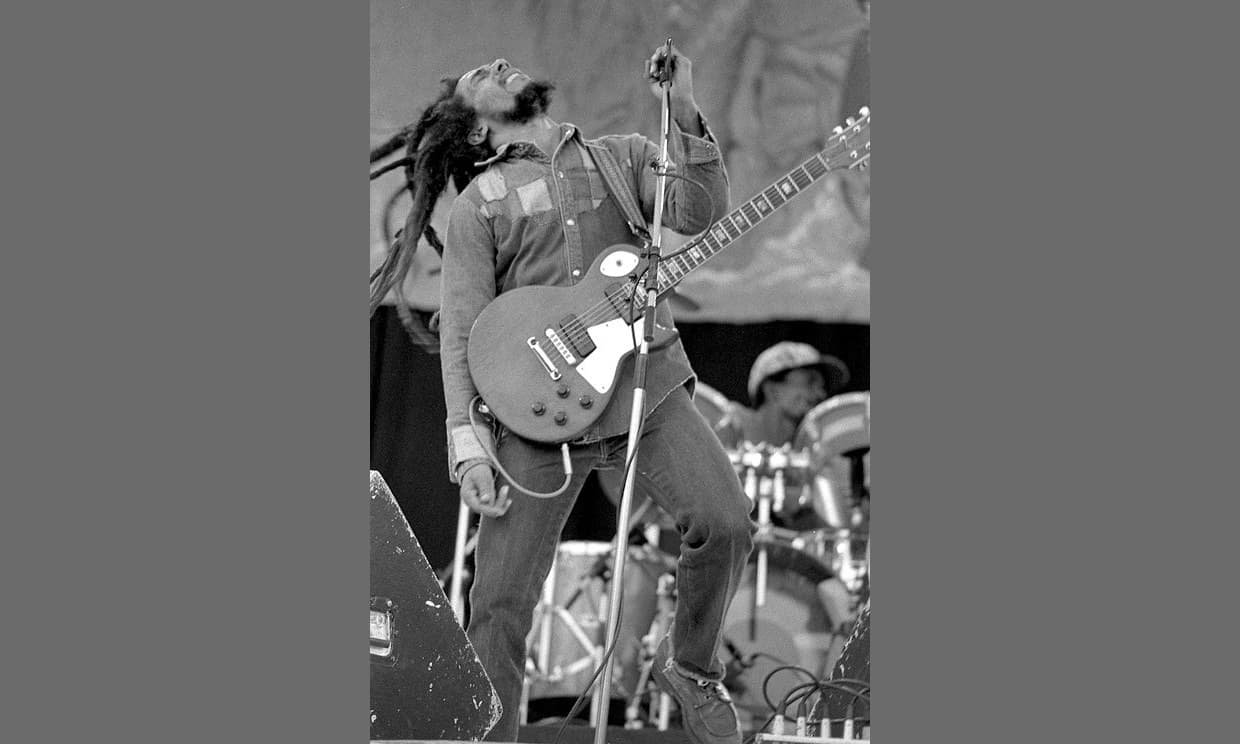
Photo ยท Wikimedia Commons

What is it?

Reggae is a style of music that grew in Jamaica in the late 1960s. Its most recognisable feature is a bouncy, off-beat rhythm played by the guitar and piano โ€” instead of hitting the beat, they land just after it, giving reggae its swaying, relaxed feeling. It is the music Jamaica is most famous for and is now listened to in every country on Earth.

Tell me more

Reggae grew out of two earlier Jamaican styles called ska and rocksteady, blending influences from rhythm and blues, jazz, and traditional Jamaican folk music called mento. By the late 1960s it had developed its own distinct, unmistakable sound.

The most celebrated reggae artist in history is Bob Marley, who was born in the small village of Nine Mile in the Blue Mountains region. His songs about peace, togetherness, and joy spread reggae to every corner of the world. His face appears on murals, posters, and T-shirts in countries far from Jamaica.

Reggae bass lines are deep and powerful โ€” the bass guitar often carries the melody as much as the lead guitar does. The drums play a pattern called the 'one drop' where the kick drum lands on the third beat, giving reggae a very specific pulse that fans can recognise in seconds.

In 2018, UNESCO added reggae to its list of Intangible Cultural Heritage of Humanity โ€” a special list of cultural traditions that are considered important treasures of the world. This was a moment of great celebration in Jamaica.

In the classroom

Walk your class through this in 15 minutes.

Talk together

Discussion prompts

  1. 01Reggae has a swaying, off-beat rhythm. Listen to a short clip if you can โ€” how does the rhythm make you feel?
  2. 02Music from Jamaica is now heard all over the world. How do you think music travels from one country to another?
  3. 03UNESCO protects cultural traditions like reggae the same way it protects ancient buildings. Do you think music deserves the same protection as buildings? Why?
Try this

Classroom activity

Clap along with a reggae rhythm: count 1-2-3-4 and clap on beats 2 and 4 (the 'off-beats'). Then try the 'one drop' โ€” stamp one foot on beat 3 while clapping 2 and 4. Compare this to the 'straight' rhythm of clapping on every beat. Which feels more relaxed? Which feels more energetic?