
Classroom lesson · Food · 🇱🇷 Liberia

Cassava Leaf Stew

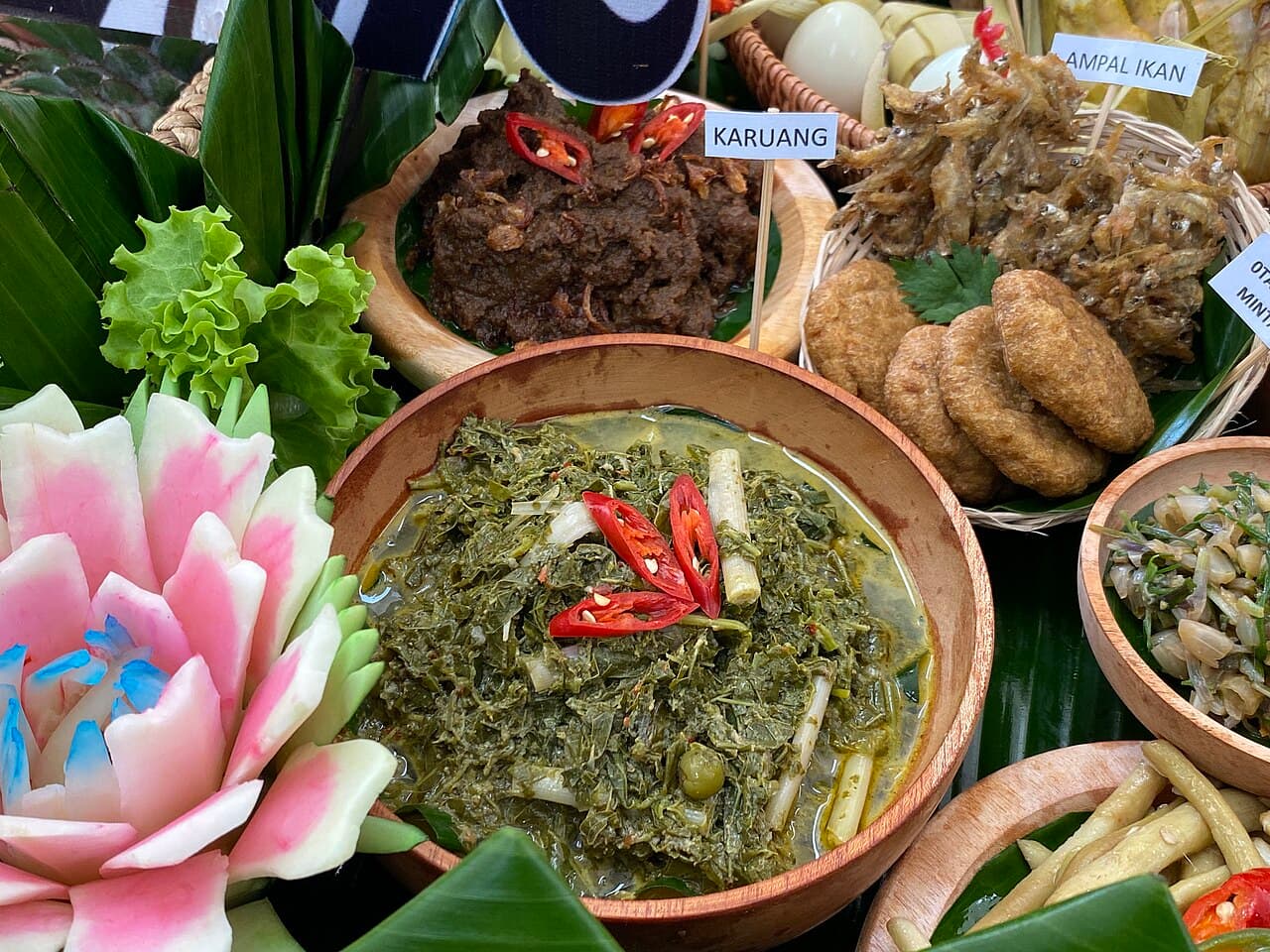
A dark, delicious stew made from pounded cassava leaves

Photo · Wikimedia Commons

What is it?

Cassava leaf stew is one of the most popular dishes in Liberia — and across many parts of West Africa. It is made by pounding the fresh green leaves of the cassava plant into a thick, deep-green paste, which is then cooked into a hearty stew with meat, fish, palm oil and spices. Served over rice, it is nourishing, flavourful and full of colour.

Tell me more

Cassava is one of the most important food plants in Africa. The root (which looks like a large, knobbly potato) is eaten all across the continent, but in Liberia and the surrounding region the leaves are prized just as much. Young cassava leaves are picked, washed and then pounded — either by hand in a wooden mortar and pestle or in a blender — until they form a rich, fibrous green paste.

The pounded leaves go into a pot with onions, palm oil, hot pepper, and whatever protein is available — chicken, beef, smoked fish or dried shrimp are all popular choices. The stew simmers slowly until everything melds together into a thick, fragrant sauce. The green colour deepens and intensifies as it cooks, turning into a beautiful dark emerald.

Cassava leaf stew is packed with nutrition — the leaves are rich in protein, iron and vitamins. In many Liberian communities it is a daily staple, eaten at lunch or dinner with rice. It is comfort food in the truest sense: the dish that reminds Liberians of home, family and the smells of the kitchen.

In the classroom

Walk your class through this in 15 minutes.

Talk together

Discussion prompts

  1. 01What plants do we eat the leaves of in your country? Can you name five?
  2. 02Why do you think pounding the leaves changes them so much compared with just cutting them?
  3. 03Cassava leaf stew is described as 'comfort food'. What is your comfort food and why?
  4. 04How might using both the root and the leaves of a plant help reduce food waste?
Try this

Classroom activity

Research the cassava plant and draw a labelled diagram showing all the parts: roots, stem, leaves and flowers. Next to each part, write how it is used by people — not just as food but in any way. Compare this with the potato plant and note the similarities and differences.