
Before 1964, Malawi was part of a British-governed territory called Nyasaland. On 6 July 1964, Nyasaland became the independent Republic of Malawi - a name taken from the ancient Maravi kingdom that once existed in the region. The word 'Malawi' is thought to mean 'flames' or 'flaming water', possibly describing the way the lake glitters in the sun.
Independence Day celebrations begin early in the morning. The national flag - with its horizontal bands of black, red and green, and a rising sun at the centre - is raised at ceremonies across the country. The black represents the African people, the red represents the blood of the nation's heroes, and the green represents Malawi's lush forests and fertile land.
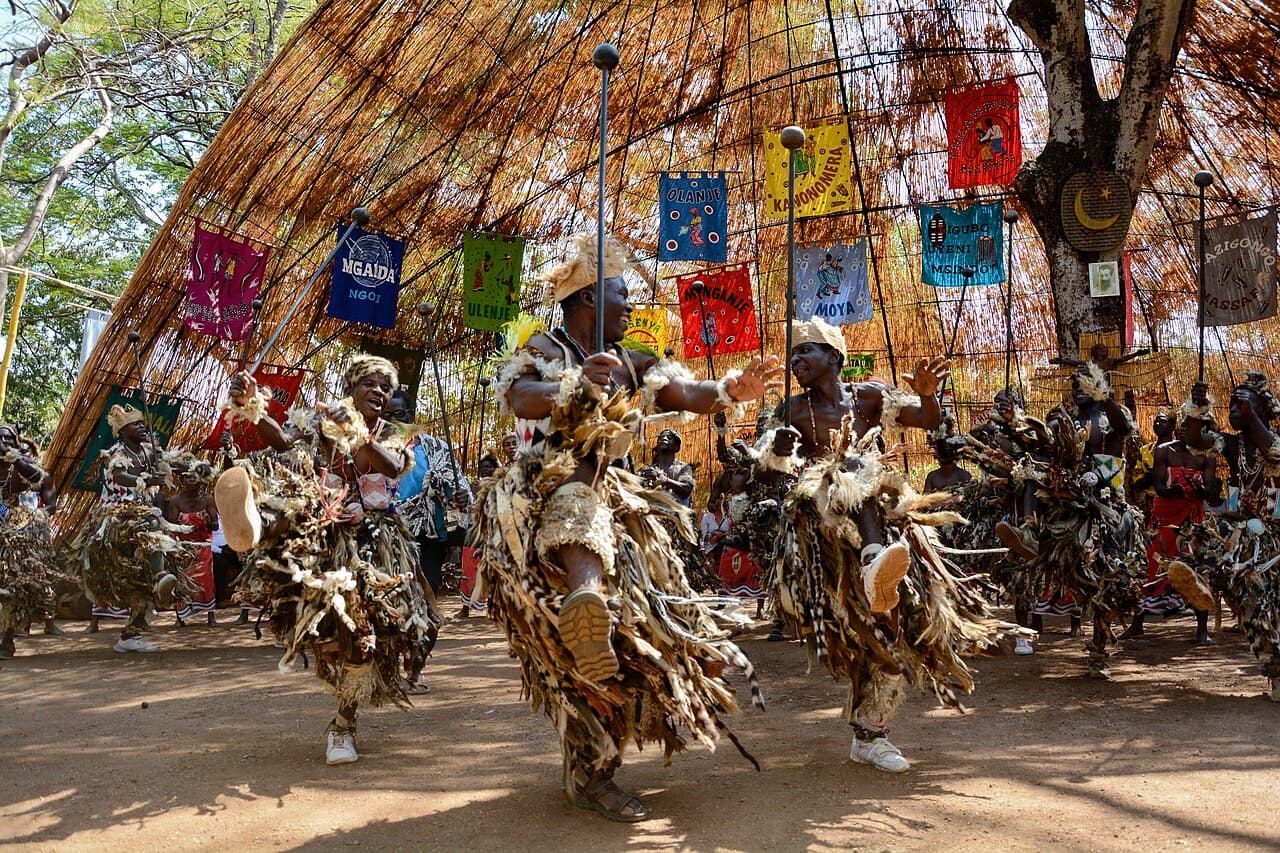
Parades are a highlight of the day. Schoolchildren march in their uniforms, traditional dance groups perform gule wamkulu and other dances, and community groups carry banners celebrating Malawian culture. Music blasts from speakers, and families gather to eat nsima and chambo together. It is a day for feeling proud and grateful.
Learning about Independence Day helps children understand that every nation has a story - moments when communities came together to shape their own future. For Malawian children, 6 July is a day to feel a strong sense of identity, belonging and pride in their beautiful country.