
A doina can be about almost anything - the beauty of the forest, the feeling of being far from home, the joy of returning to familiar places, or the pleasure of a summer evening. The melody winds and curves in an unusual way - it does not follow a strict beat as a dance song would. Instead it flows freely, speeding up and slowing down as the singer's emotion changes. Listening to a doina feels like listening to someone thinking aloud in music.
UNESCO listed the doina in 2009 because it is a unique form of musical expression that belongs to the living heritage of the Romanian-speaking world. It is passed on from older singers to younger ones by listening and imitating - not by reading music from a page. Because each singer adds their own personal touch, no two doinele (the plural) are ever exactly the same.
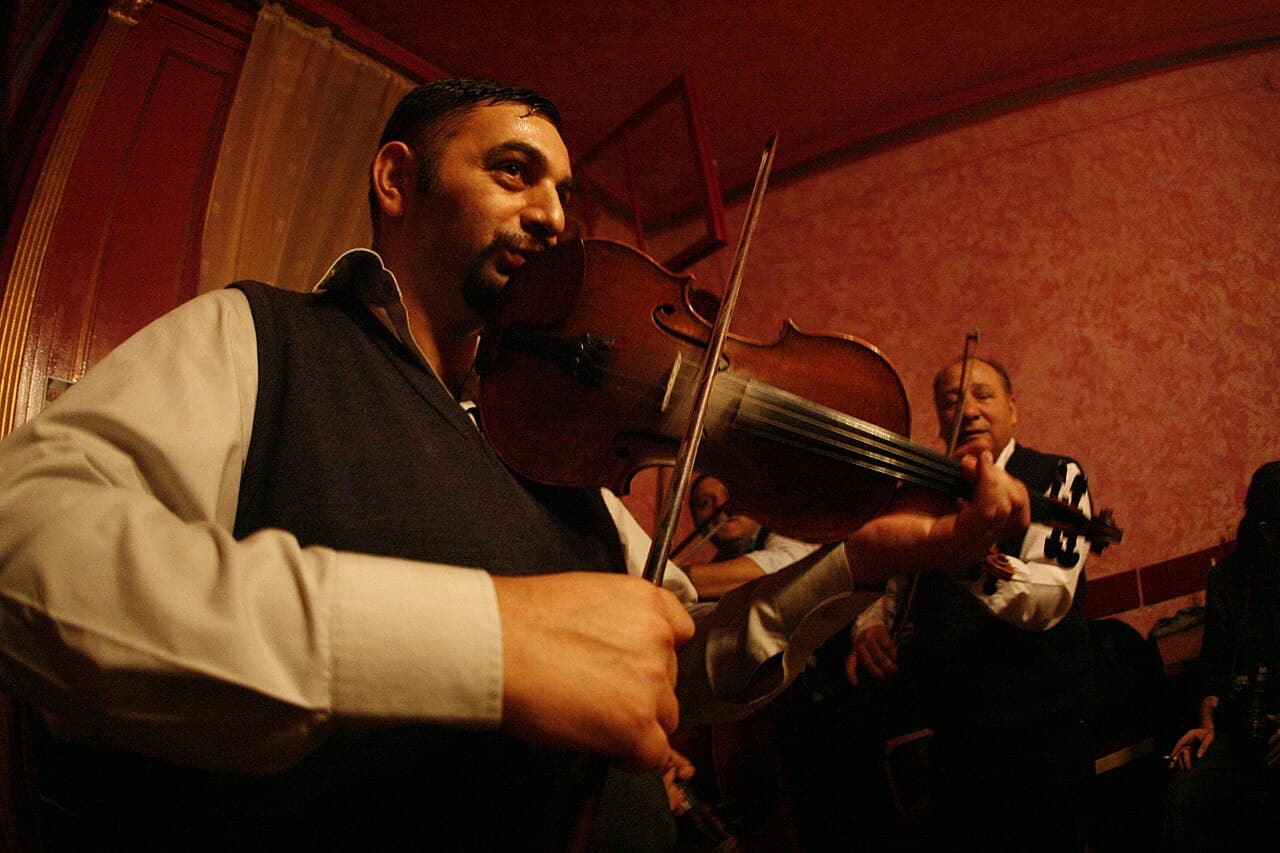
A doina can be sung without any accompaniment at all, using just the human voice. But it is also performed with instruments such as the nai (panpipe), the fluier (a wooden flute), or the violin. The nai is especially well suited to doina because its breathy, sighing sound echoes the free, flowing quality of the melody.
In Moldova, older singers are respected as keepers of the doina tradition. Schools, folk music festivals and community events all help to ensure that younger generations learn to sing doina. It is considered a living art - not something from the past, but something growing and changing in the present.