
Classroom lesson · Festival · 🇲🇿 Mozambique

Mapiko Mask Dances

Ancient masked performances of the Makonde people

Photo · Wikimedia Commons

What is it?

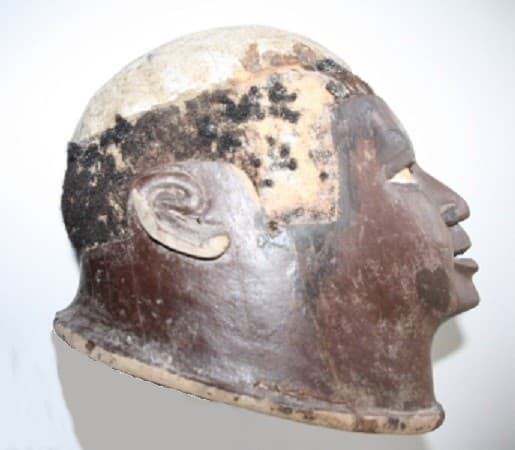
Mapiko is a traditional masked dance of the Makonde people, who live in northern Mozambique. The dancer wears an intricately carved wooden mask and a full-body costume made from bark cloth and natural fibres, transforming completely into a character from the spirit world. The Makonde are famous throughout Africa for their extraordinary wood-carving skill, and their mapiko masks are considered some of the finest African art in the world.

Tell me more

In Makonde tradition, the mapiko dancer represents a spirit or ancestor visiting the community from another world. The mask hides the dancer's identity completely, and the costume covers every part of the body. The spirit character moves and dances in a unique way – spinning, leaping, and stamping in patterns that have been performed for many generations.

Mapiko performances happen at important community celebrations, including coming-of-age ceremonies where young people formally become adults in the eyes of the community. The masked dancer interacts with the audience, sometimes chasing people playfully or singling out individuals in the crowd. The whole village gathers to watch.

The masks themselves are remarkable works of art. Each one is carved by hand from a single piece of wood and may take days or weeks to complete. The features are often exaggerated – large eyes, a wide open mouth, dramatic expressions. Some masks represent specific characters that have been performed for hundreds of years; others are newly created by the carver.

Makonde carvings are collected in museums and galleries around the world. But for the Makonde people, the most important place for this art is in the village, during a performance, where the mask comes to life through the dancer's movement and the community's response.

In the classroom

Walk your class through this in 15 minutes.

Talk together

Discussion prompts

  1. 01In mapiko, a mask transforms the dancer into a different character. When do people in your culture or community wear masks or costumes and why?
  2. 02The dancer's identity is completely hidden. How do you think that changes the way the audience sees and responds to the performance?
  3. 03Mapiko masks are now in museums around the world. Do you think that is a good thing, or should they stay in their communities? Why?
Try this

Classroom activity

Design your own character mask using a paper plate, tissue paper, and markers. Decide: what character does your mask represent? What expression does it have? What story does it tell? Present your mask to the class in character.