
Classroom lesson · Food · 🇲🇿 Mozambique

Matapa

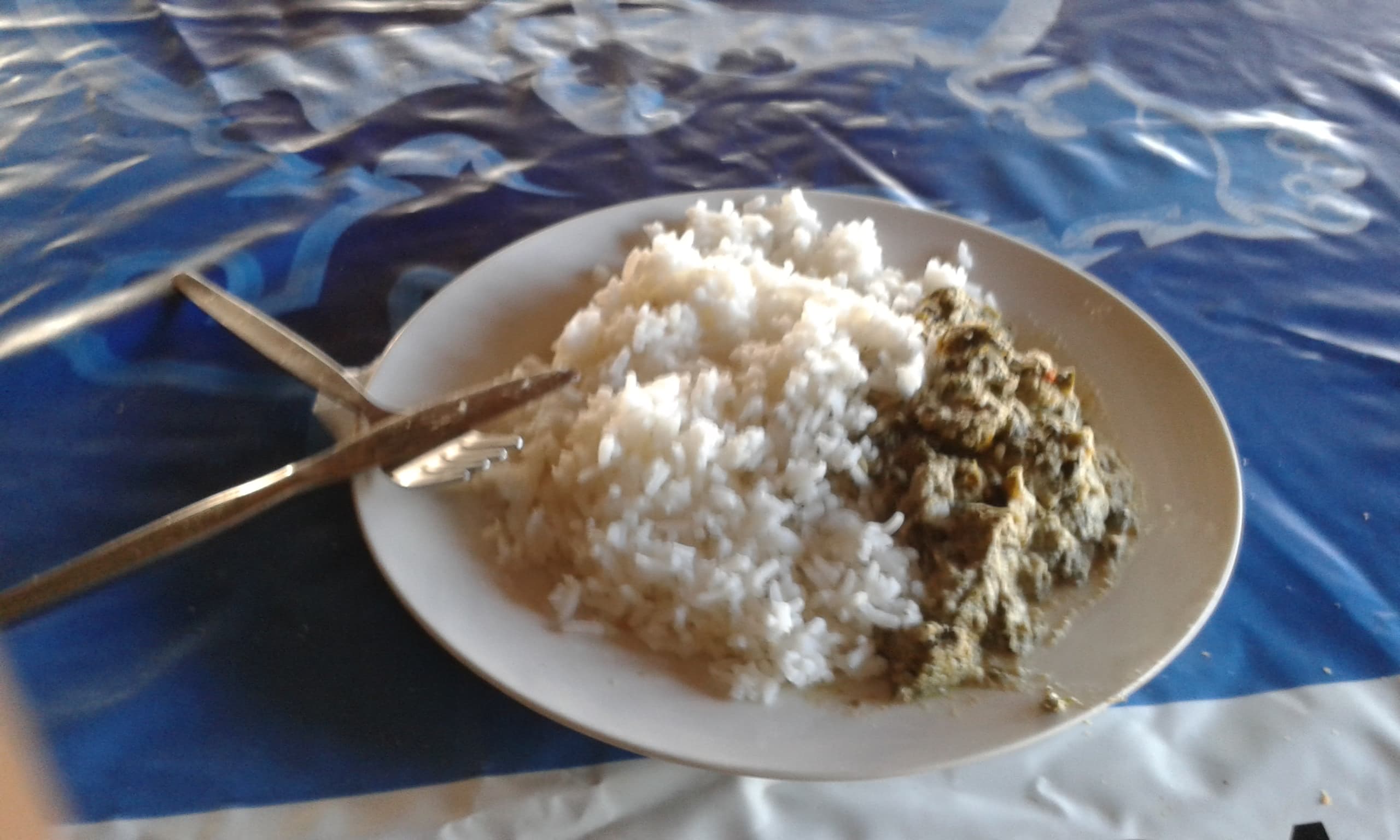
Cassava leaves slow-cooked in creamy coconut milk

Photo · Wikimedia Commons

What is it?

Matapa is one of Mozambique's most loved dishes. It is made from the young green leaves of the cassava plant, which are pounded and then slowly cooked in coconut milk until the sauce is thick and creamy. Sometimes crab, prawn, or peanuts are added to make it even richer. It is served with xima – a firm maize porridge – and eaten together as a family meal.

Tell me more

Cassava is one of the most important plants in Mozambique. Almost every part of it is useful: the thick roots are eaten like potato, and the leaves are used in dishes like matapa. Cassava grows even in dry, sandy soil where other crops struggle, which makes it reliable and important for families across the country.

Coconut palms grow all along the Mozambican coast, so coconut milk has been used in cooking here for centuries. When cassava leaves are simmered slowly in coconut milk, the leaves soften and release a deep, earthy flavour while the coconut makes the sauce smooth and slightly sweet. The smell alone is enough to make your stomach rumble.

In coastal areas, cooks often stir in fresh prawns caught that morning, or crab claws gathered from the mangroves. Inland, ground peanuts are added instead, giving the dish a nutty richness. Each family has its own recipe passed down through generations – grandmother's matapa is always the best.

Matapa is a social dish. It is made in large quantities and shared at family gatherings, celebrations, and community meals. Making it properly takes time and patience – the leaves must be pounded, the coconut must be grated, and the pot must be stirred often. It is a labour of love.

In the classroom

Walk your class through this in 15 minutes.

Talk together

Discussion prompts

  1. 01Matapa uses ingredients that grow locally in Mozambique. What dishes in your country use mainly local ingredients?
  2. 02Grandmothers often have the best recipes. Do you have a family recipe that has been passed down? What makes it special?
  3. 03The cassava plant is useful in many ways – food from roots, food from leaves, even starch from the root. Can you think of another plant that is useful in multiple ways?
Try this

Classroom activity

Design a 'recipe card' for matapa. Include a list of ingredients (cassava leaves, coconut milk, prawns or peanuts, garlic, onion) and simple numbered steps. Illustrate each ingredient. Display as a class recipe book alongside dishes from other countries.