
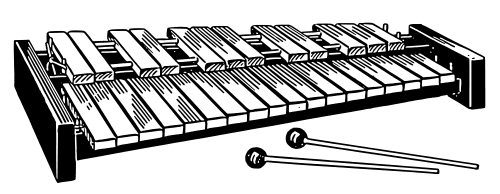
A timbila looks a little like a xylophone you might find in a school music room, but it is made entirely by hand from natural materials. The wooden keys are carved from a specific tree called mfuma, which gives the right tone. Underneath each key hangs a dried gourd - a kind of hollow vegetable - which acts as a resonator, making each note louder and richer.
Timbila music is not played alone. A full timbila orchestra has many instruments of different sizes, from tiny high-pitched ones to huge bass instruments. Each player learns a different repeating pattern called an interlocking part, and when all the patterns are played together at the same time, they weave into complex, beautiful music that sounds like one giant instrument.
The music is deeply connected to the Chopi community's ceremonies, celebrations, and storytelling. Traditional timbila orchestras also include dancers who move in coordinated patterns while the music plays. The whole performance - music, dance, and community - is called ngodo.
Learning to play timbila takes years. Master players pass the knowledge to younger generations through listening, watching, and practice. Because it is such a specialised tradition, UNESCO's recognition helps ensure that this extraordinary music is protected and kept alive.