
Classroom lesson ยท Food ยท ๐Ÿ‡ด๐Ÿ‡ฒ Oman

Kahwa Coffee & Dates

The traditional Omani welcome โ€” spiced coffee and sweet dates

Photo ยท Wikimedia Commons

What is it?

In Oman, when a guest arrives at someone's home, the first thing offered is kahwa โ€” a warm, lightly spiced coffee โ€” and a handful of dates. This welcome is so central to Omani culture that refusing the offering would be considered very rude. Kahwa and dates together represent generosity, hospitality, and respect.

Tell me more

Kahwa is different from the strong dark coffee many adults drink in Western countries. It is lighter, more golden-green in colour, and flavoured with cardamom and sometimes rosewater or saffron. It is served in small handle-less cups called finjan, which are filled only half-full โ€” a gesture meaning 'I want you to stay for more, so I can refill your cup'.

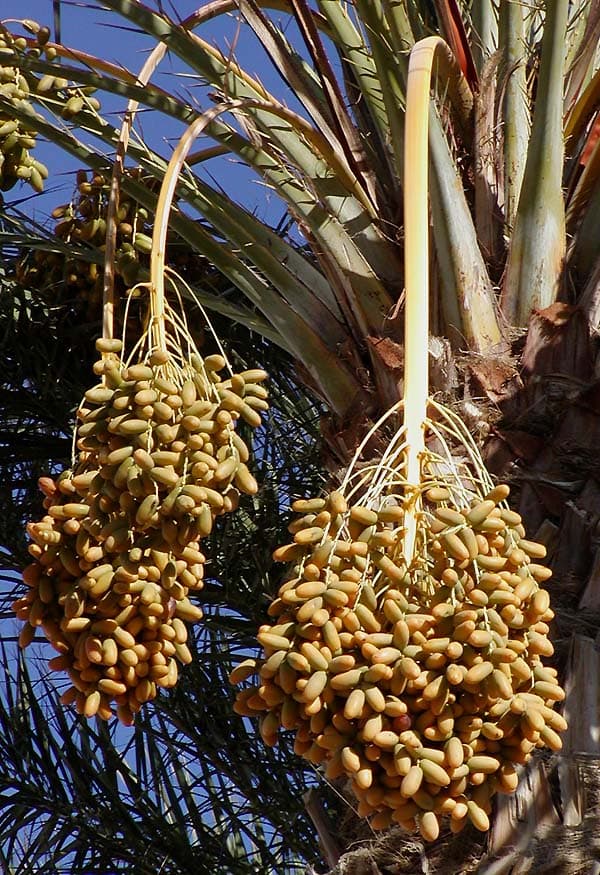
Dates are the fruit of the date palm tree, which grows throughout Oman. Oman produces hundreds of varieties of dates โ€” from soft, caramel-sweet fresh dates to firmer, slightly chewy dried ones. Dates have been grown in Oman for at least 5,000 years and are enormously important in Omani cooking, culture, and trade.

The combination of kahwa and dates works perfectly: the mild bitterness of the spiced coffee balances the sweetness of the dates. Guests hold the small cup in the right hand and gently shake it side to side when they have had enough, as a polite signal to the host.

Hospitality โ€” welcoming guests warmly and making them feel comfortable โ€” is one of the most important values in Omani culture. The tradition of kahwa and dates is one of the most beautiful expressions of that value.

In the classroom

Walk your class through this in 15 minutes.

Talk together

Discussion prompts

  1. 01In Oman, offering kahwa and dates is a way to welcome a guest. How do people in your home or country welcome guests?
  2. 02Why do you think hospitality โ€” making guests feel welcome โ€” is valued so highly in many cultures?
  3. 03The cup is only filled half-full as a sign the host wants to give more. Can you think of other clever, polite gestures from different cultures?
Try this

Classroom activity

Create a 'Welcome from Around the World' display. Ask children (or research together) how guests are welcomed in five different countries. Draw or write each tradition on a card. Which welcomes are about food? Which are about gestures? Arrange on a world map.