
Classroom lesson · Music · 🇴🇲 Oman

Oud Music

A pear-shaped lute that is the heart of Arabian music

Photo · Wikimedia Commons

What is it?

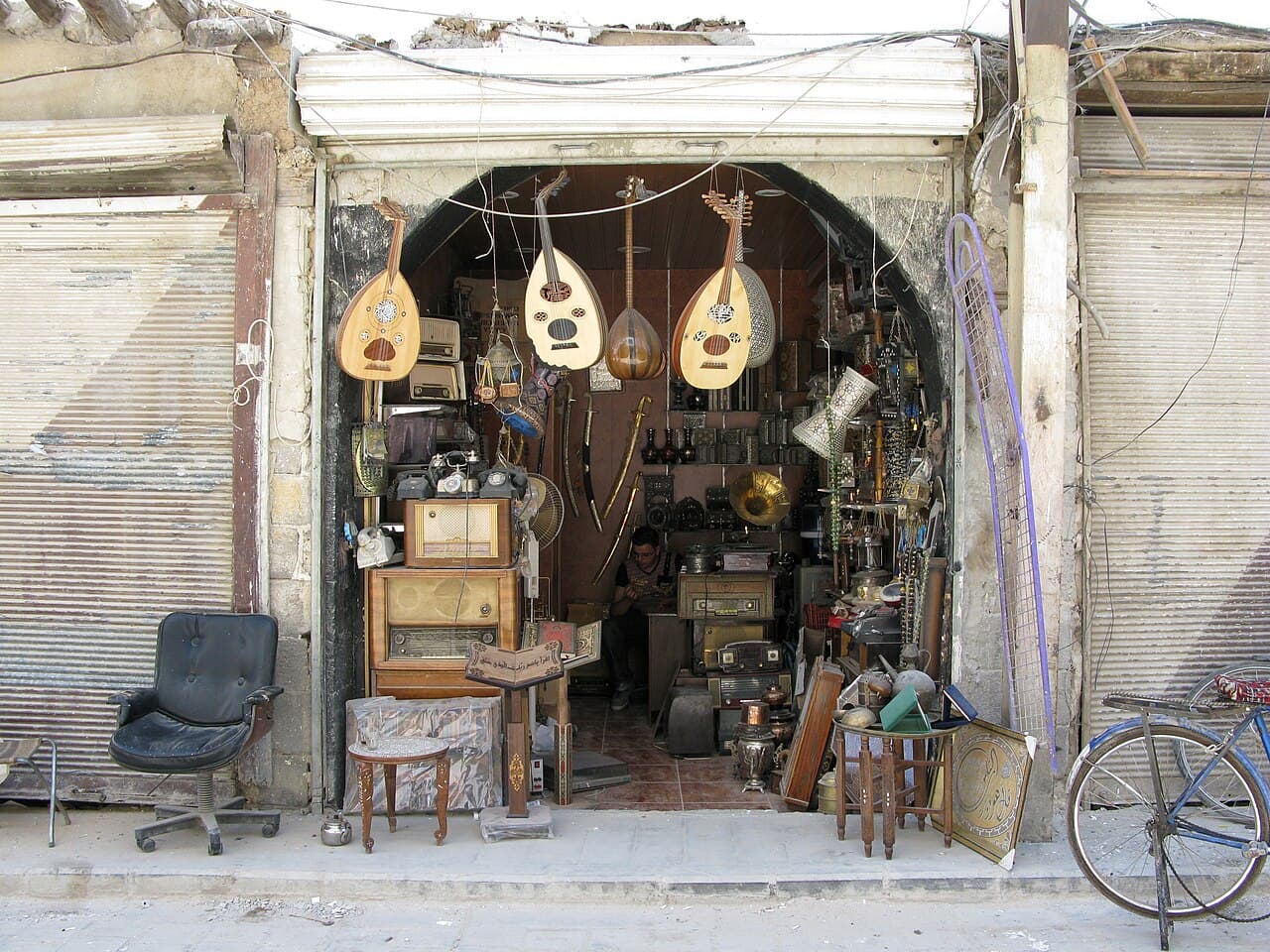
The oud is a large, pear-shaped stringed instrument that has been played across Arabia and the wider world for more than 3,500 years. In Oman, skilled oud players perform at weddings, celebrations, and concerts. The oud is often called the 'king of instruments' in Arab music.

Tell me more

An oud looks a bit like a fat, rounded guitar, but it has no frets — the thin metal strips along the neck that on a guitar tell you exactly where to put your fingers. Without frets, an oud player can slide between notes, creating smooth, flowing melodies that sound very different from fretted instruments.

The oud typically has 11 strings arranged in 5 pairs plus one single bass string. Players pluck the strings with a pick called a risha — often made from an eagle feather historically, though today plastic or wood is more common. The body is made from light, carefully shaped wood bent into its distinctive rounded shape.

Oud music can sound sad and longing, joyful and dancing, or peaceful and meditative depending on how it is played. Famous oud players are highly respected in Oman and across the Arab world. Some oud masters spend years studying with a teacher before performing in public.

Oman has its own distinctive style of oud playing, influenced by both the Arabian interior and the coastal connections to Africa, India, and Persia that have shaped Omani culture over centuries. The oud is often accompanied by percussion instruments and singing.

In the classroom

Walk your class through this in 15 minutes.

Talk together

Discussion prompts

  1. 01The oud has been played for over 3,500 years. What other musical instruments have been around for a very long time?
  2. 02Without frets, oud players create sliding sounds between notes. What music you know uses sliding or smooth sound effects?
  3. 03Why do you think music is such an important part of celebrations in most cultures?
Try this

Classroom activity

Make a simple class 'instrument museum'. Each child draws a traditional instrument from their background (or one they choose to research). Include: the name, the country it comes from, how many strings/keys/skins it has, and whether it is plucked, blown, or hit. Display as a gallery.