
Classroom lesson Β· Food Β· πŸ‡ΆπŸ‡¦ Qatar

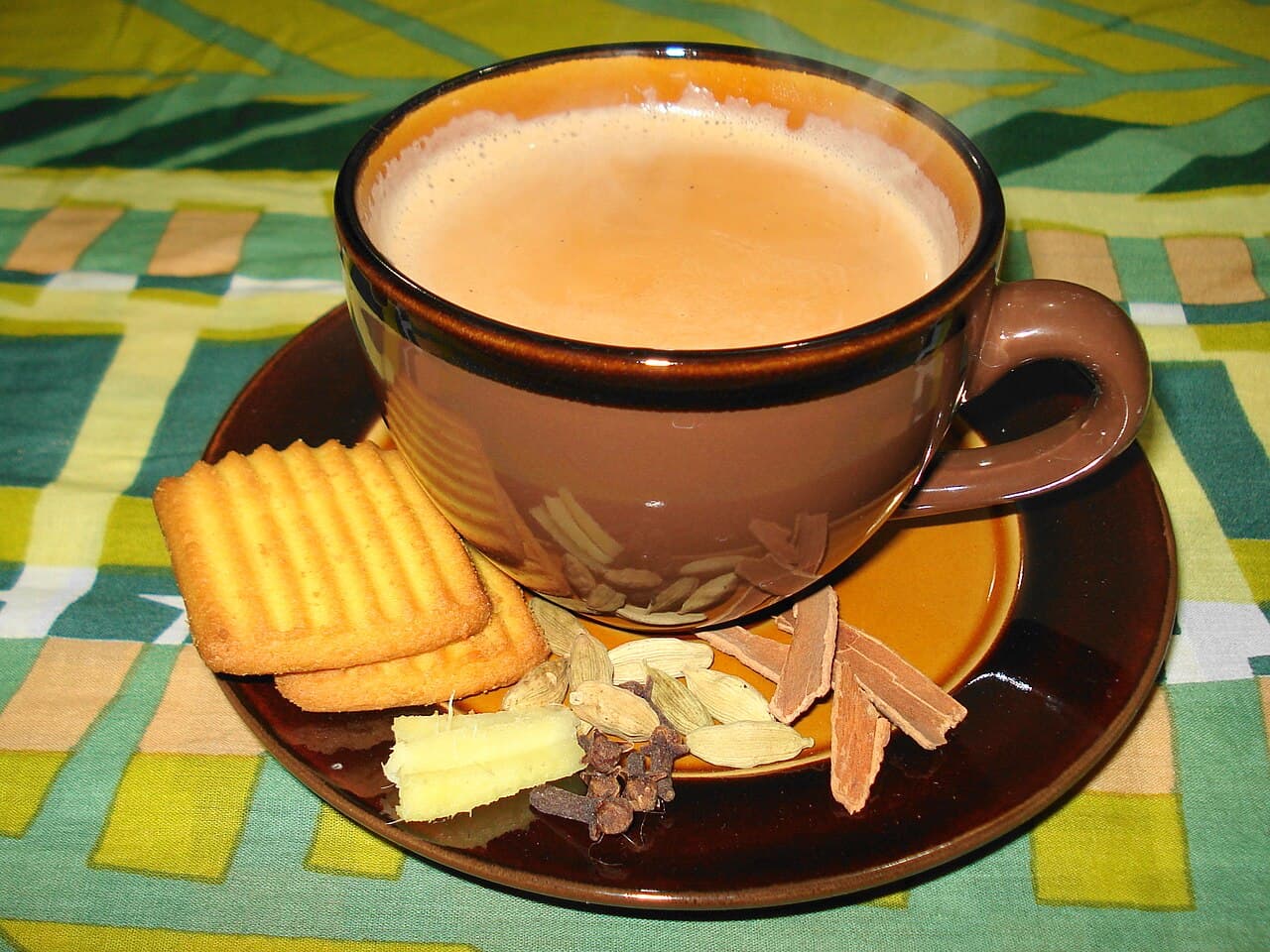
Karak Chai

A sweet, spiced milky tea that is Qatar's favourite everyday drink

Photo Β· Wikimedia Commons

What is it?

Karak chai is a rich, sweet, spiced tea made with black tea, condensed milk, cardamom, and sometimes saffron or cinnamon. It is brewed together in a pot until it turns a beautiful deep golden colour and is served in small cups. Karak chai is so beloved in Qatar that there are entire shops dedicated to making just this one drink.

Tell me more

The word 'karak' comes from the Hindi word for 'strong', and karak chai is indeed a powerful, flavourful drink. The tea and milk are simmered together – not just stirred in – which gives it a creamier, richer taste than ordinary tea with milk. The cardamom adds a warm, slightly floral flavour that is unique to this style of tea.

Karak chai originally came to Qatar from South Asia, brought by traders and workers over many decades. It became so popular that it is now considered a Qatari tradition in its own right. Street karak shops are busy from early morning until late at night, serving labourers, office workers, students, and families alike.

Sharing a cup of karak chai is a very common social ritual in Qatar. Friends meet for karak before work. Families drink it after dinner. If you visit someone's home, karak chai – along with dates – is almost always the first thing you are offered. It is a small cup of warmth and welcome.

In the classroom

Walk your class through this in 15 minutes.

Talk together

Discussion prompts

  1. 01Karak chai started in South Asia and became a Qatari tradition. Can you think of foods or drinks from another culture that have become popular – or even traditional – in your own country?
  2. 02Why do you think a warm drink is such a popular way for people to socialise even in a very hot country?
  3. 03Offering someone karak chai is a way of being welcoming. What do people offer guests in your culture to show welcome?
Try this

Classroom activity

Bring in some cardamom pods (or a picture) and let children smell them. Then ask children to design a 'menu' for an imaginary karak stall: name the stall, choose three variations of karak, and illustrate the cups. Share and compare designs.