
Classroom lesson Β· Wildlife Β· πŸ‡ΈπŸ‡΄ Somalia

Dugong

A gentle sea mammal that may have inspired mermaid stories

Photo Β· Wikimedia Commons

What is it?

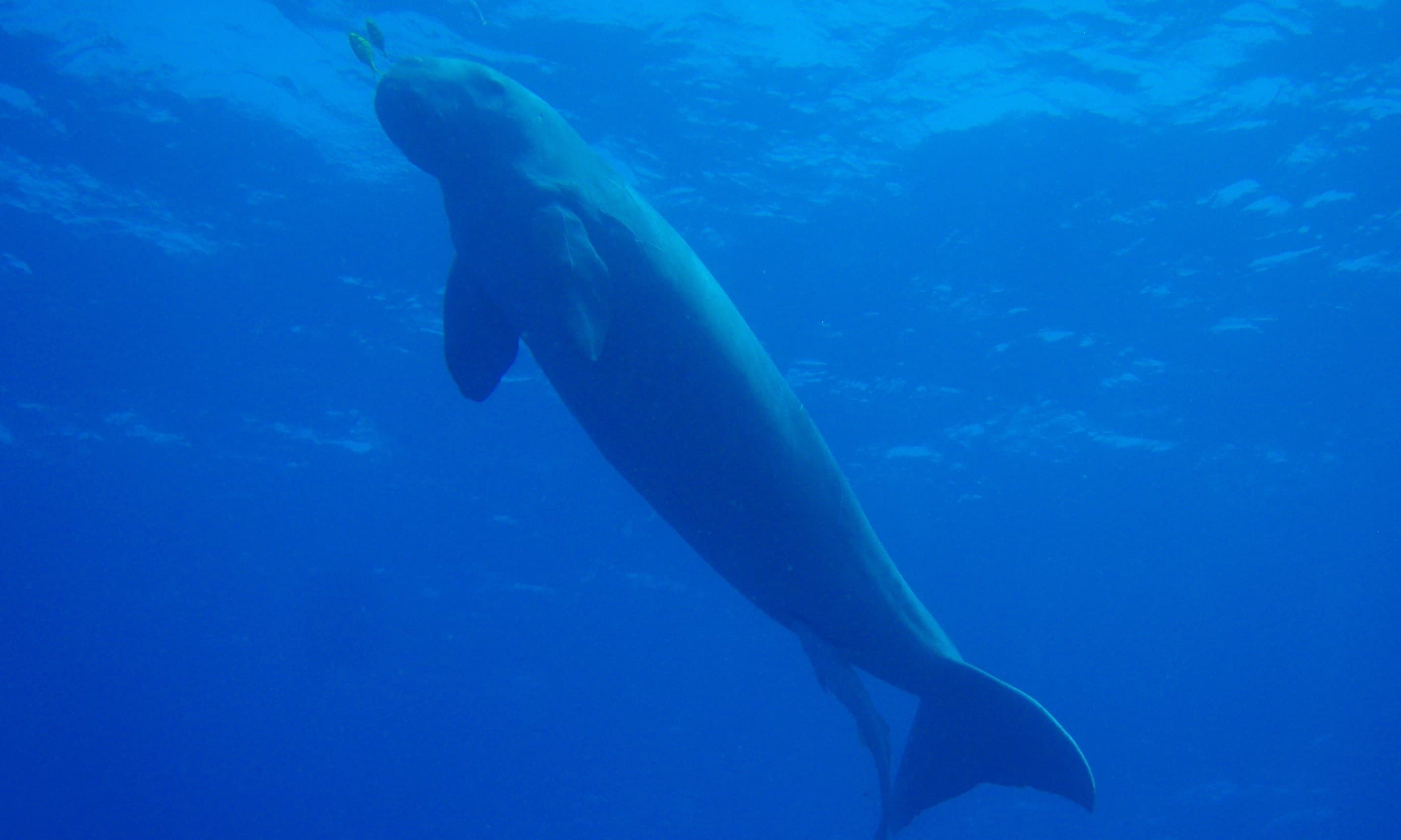
The dugong is a large, gentle sea mammal that grazes on underwater sea-grass meadows in the warm shallow waters off Somalia's coast. It can grow to three metres long β€” about the length of a small car β€” and can live for 70 years. Dugongs breathe air and must surface every few minutes, which means they have been spotted swimming near the surface for thousands of years, possibly inspiring ancient sailors' mermaid stories.

Tell me more

Dugongs are closely related to elephants, even though they live in the sea β€” they share a common ancestor from millions of years ago. Like elephants, they are gentle grazers. A dugong can eat up to 40 kilograms of sea-grass in a single day, ploughing slowly along the sandy seabed with its muscular snout, leaving trails in the sea-grass behind it.

Sea-grass meadows are some of the most important ecosystems in the ocean. They produce oxygen, store carbon, and provide food and shelter for hundreds of other creatures. Dugongs help keep these meadows healthy by grazing β€” a bit like how cows keep grassland healthy by eating and moving around, stopping any one plant from taking over.

Dugongs are shy and peaceful creatures that live mostly alone or in small groups. Baby dugongs, called calves, stay very close to their mothers and communicate with chirps and squeaks. The bond between a dugong mother and her calf can last for several years, with the young dugong learning which seagrass patches to visit from its mother.

In the classroom

Walk your class through this in 15 minutes.

Talk together

Discussion prompts

  1. 01Dugongs and elephants share a common ancestor but look completely different today. How do you think they ended up so different?
  2. 02Dugongs help sea-grass meadows by grazing on them. Can you think of other animals that help an ecosystem by eating from it?
  3. 03Sailors who saw dugongs may have thought they were mermaids. Why do you think tired, far-from-home sailors might have imagined creatures like that?
Try this

Classroom activity

Create a 'sea-grass meadow food web' poster. Draw the sea-grass at the bottom, then draw arrows upwards showing which animals eat it (dugongs, fish, turtles). Add another layer showing which animals eat those animals. How many connections can you find?