
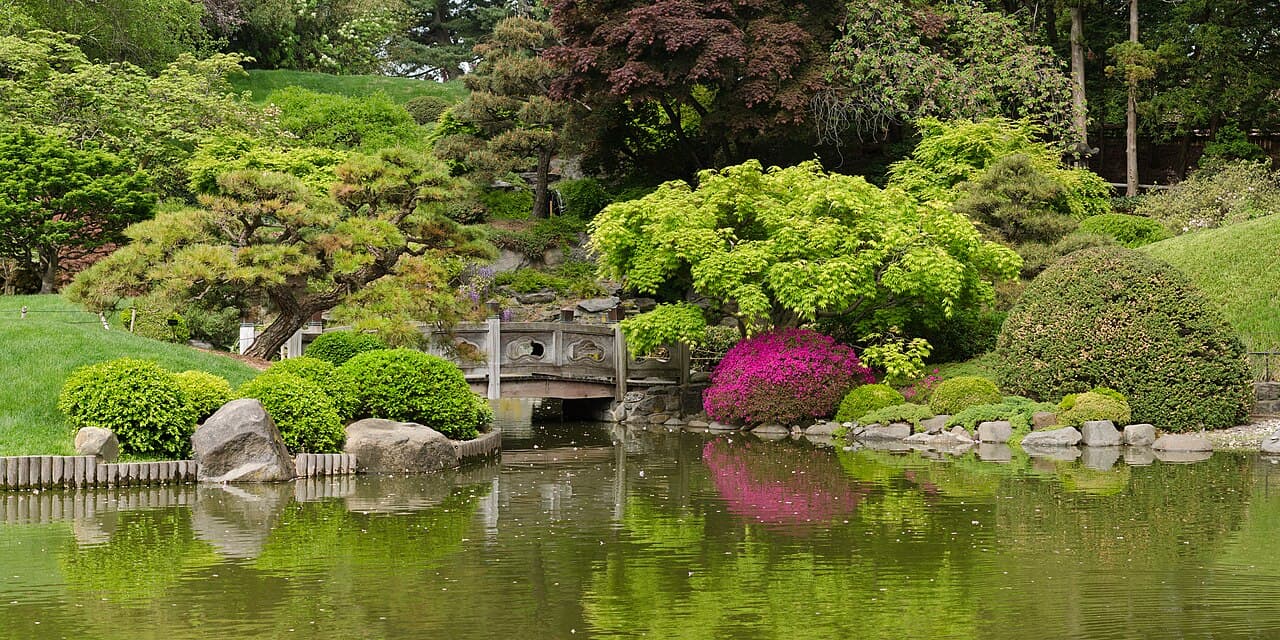
Classroom lesson ยท Khorog Botanical Garden ยท ๐Ÿ‡น๐Ÿ‡ฏ Tajikistan

Khorog Botanical Garden

One of the highest botanical gardens on Earth, tucked into the Pamirs

Photo ยท Wikimedia Commons

What is it?

The Khorog Botanical Garden is a wonderful garden in the city of Khorog, deep in the Pamir Mountains. It is one of the highest botanical gardens in the world, sitting more than 2,000 metres above sea level. Botanists โ€” scientists who study plants โ€” have grown thousands of different plant species here from all over the world.

Tell me more

The garden was started almost 100 years ago to study which plants could survive at high altitudes with cold winters and thin mountain air. Today it is home to more than 2,000 different types of plants, including trees, shrubs, flowers and grasses from across Asia, Europe and beyond.

Walking through the garden is a bit like a world trip for plants. You might find a tree from China next to a flower from the Himalayas, and a herb from the Mediterranean just a few steps away. The steep terraces of the garden drop down to the river, giving visitors views over the rooftops of Khorog and the mountains beyond.

The garden also helps local communities. Scientists here have found plants that can be used for food, medicine and firewood โ€” plants that actually grow well in the challenging mountain conditions. This means farmers can try new crops that suit the Pamir climate without having to travel far to find them.

In the classroom

Walk your class through this in 15 minutes.

Talk together

Discussion prompts

  1. 01Why would scientists want to grow plants from many different countries in one garden?
  2. 02What challenges do you think a gardener faces at 2,000 metres above sea level?
  3. 03If you could plant one tree from anywhere in the world in your school garden, which would you choose and why?
Try this

Classroom activity

Plant a mini botanical collection! Each child sprouts three different seeds in separate small pots โ€” for example, cress, bean and sunflower. Label each pot with the plant name and where that plant originally comes from. After two weeks, compare growth and talk about why different plants grow at different speeds.