
Classroom lesson ยท Wildlife ยท ๐Ÿ‡น๐Ÿ‡ด Tonga

Humpback Whale

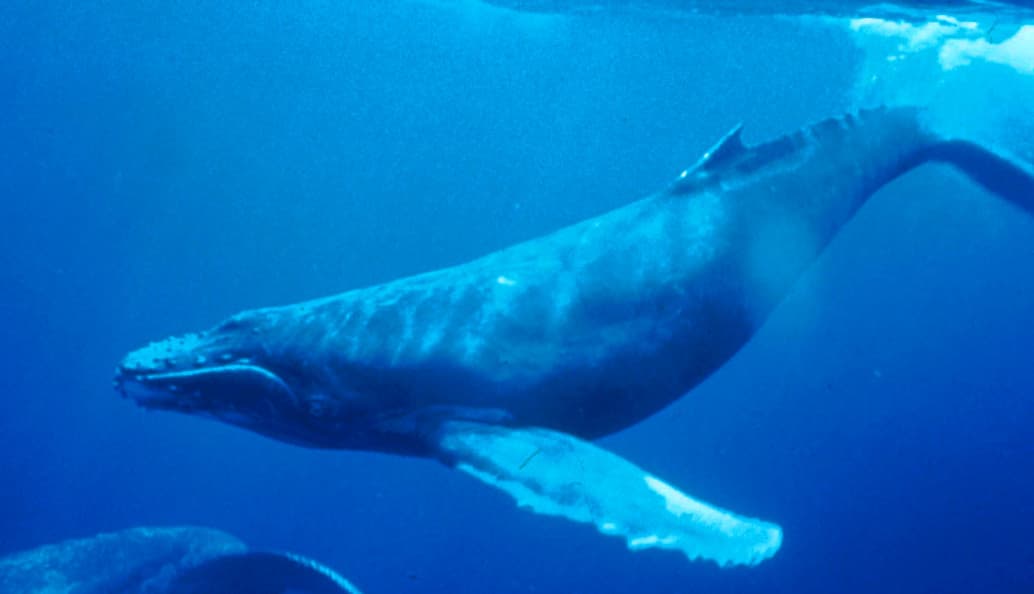
Tonga is one of the only places in the world to swim with humpbacks

Photo ยท Wikimedia Commons

What is it?

Every year, between July and October, humpback whales travel from Antarctica all the way to the warm waters of Tonga to have their babies and care for their calves. Tonga is one of the very few places in the world where people are allowed to swim in the water alongside these giant, gentle animals.

Tell me more

Humpback whales are enormous โ€” a fully grown adult can be 15 metres long, about the same as two double-decker buses parked end to end โ€” but they are famously calm and curious. In Tonga's warm, clear water, mother whales rest near the surface while their calves practise swimming and breathing. The calves are playful and sometimes roll and spin right in front of snorkellers, as if they are showing off.

What makes Tonga extra special is the singing. Male humpback whales sing long, complex songs that can last for hours. Scientists are not entirely sure why they sing, but the songs change a little each year, and all the males in the same ocean gradually learn the latest version โ€” like a slow, underwater hit song spreading across the Pacific. In the water you can hear the song coming through from far away, a deep moan that vibrates through your whole body.

Strict rules protect the whales when people swim near them. Swimmers must not touch the whales, must not chase them, and must let the whales decide how close they want to come. This respectful approach means the whales are comfortable in Tongan waters and keep returning year after year. It is one of the most extraordinary wildlife experiences anywhere on Earth.

In the classroom

Walk your class through this in 15 minutes.

Talk together

Discussion prompts

  1. 01Humpback whales travel 5,000 kilometres from Antarctica to Tonga. Why might warm water be important for newborn whale calves?
  2. 02Scientists think male humpbacks sing to communicate, but they are not completely sure. How do scientists find out things when they cannot ask animals directly?
  3. 03When people swim with whales in Tonga, they must let the whale decide how close to come. Why is it important to let wild animals choose whether to interact with humans?
Try this

Classroom activity

Play a 'whale song relay' game. Whisper a simple rhythmic pattern (tap-tap-pause-tap) to one child. They hum it to the next child, who hums it to the next, and so on around the class. Does the pattern change by the time it reaches the last person? Discuss how humpback whale songs spread โ€” and change slightly โ€” across entire ocean populations.