
Classroom lesson ยท Atlantic Coast ยท ๐Ÿ‡ช๐Ÿ‡ญ Western Sahara

Atlantic Coast

One of the world's richest fishing coastlines

Photo ยท Wikimedia Commons

What is it?

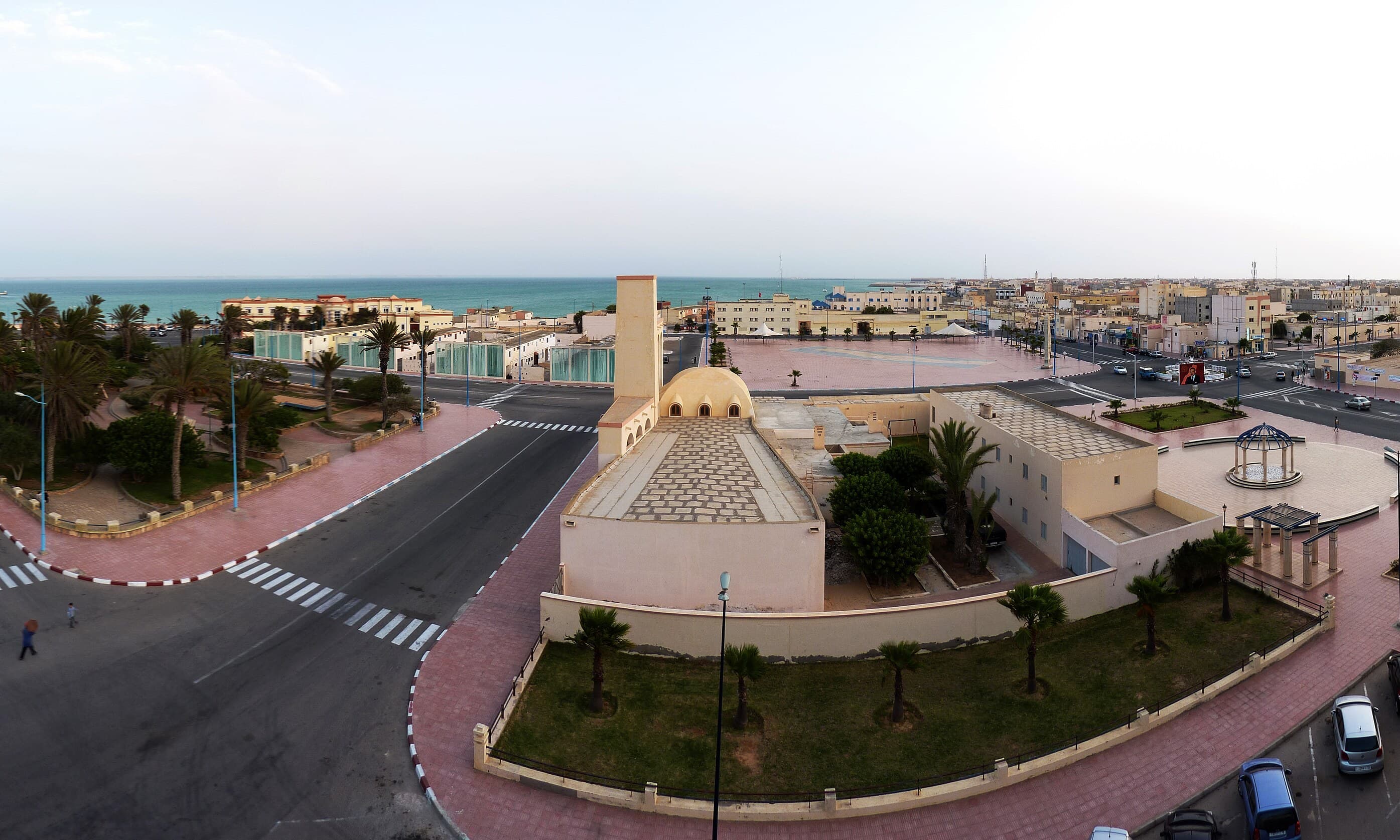
Western Sahara has a long, wild coastline where the Sahara Desert meets the Atlantic Ocean. Cold ocean currents sweep up from the south, making the water rich with fish. Fishermen have worked these waters for thousands of years, and the sea is still full of life today.

Tell me more

The cold Canary Current flows along this coast and carries nutrients up from the deep ocean floor. Those nutrients feed tiny plants called plankton, which feed small fish, which feed bigger fish โ€” all the way up to dolphins, sharks, and sea turtles. It is one of the most productive stretches of ocean anywhere in the world.

Local fishermen use small, colourful wooden boats to catch sardines, octopus, and squid close to shore. Larger boats from many countries also come here because the fishing is so good. On the beach you might find sparkling fish scales, interesting shells, and long ribbons of seaweed washed in by the waves.

The coast also has dramatic cliffs, secret coves, and long sandy beaches where the wind whips off the sea. The combination of constant strong wind and flat water behind natural sand barriers makes certain spots perfect for watersports โ€” especially kitesurfing.

In the classroom

Walk your class through this in 15 minutes.

Talk together

Discussion prompts

  1. 01Why do cold ocean currents make the sea more full of fish than warm currents?
  2. 02How might a fishing village be different from a farming village? What do people eat, and what work do they do?
  3. 03If you were a fish living near this coast, what would your day look like?
Try this

Classroom activity

Draw a cross-section picture showing the ocean on one side and the desert dunes on the other, with the beach in between. Label what animals live in each zone โ€” underwater, on the beach, and in the desert.