
Classroom lesson Β· Wildlife Β· πŸ‡¦πŸ‡« Afghanistan

Bactrian Deer

A graceful deer named after ancient Bactria, now very rare

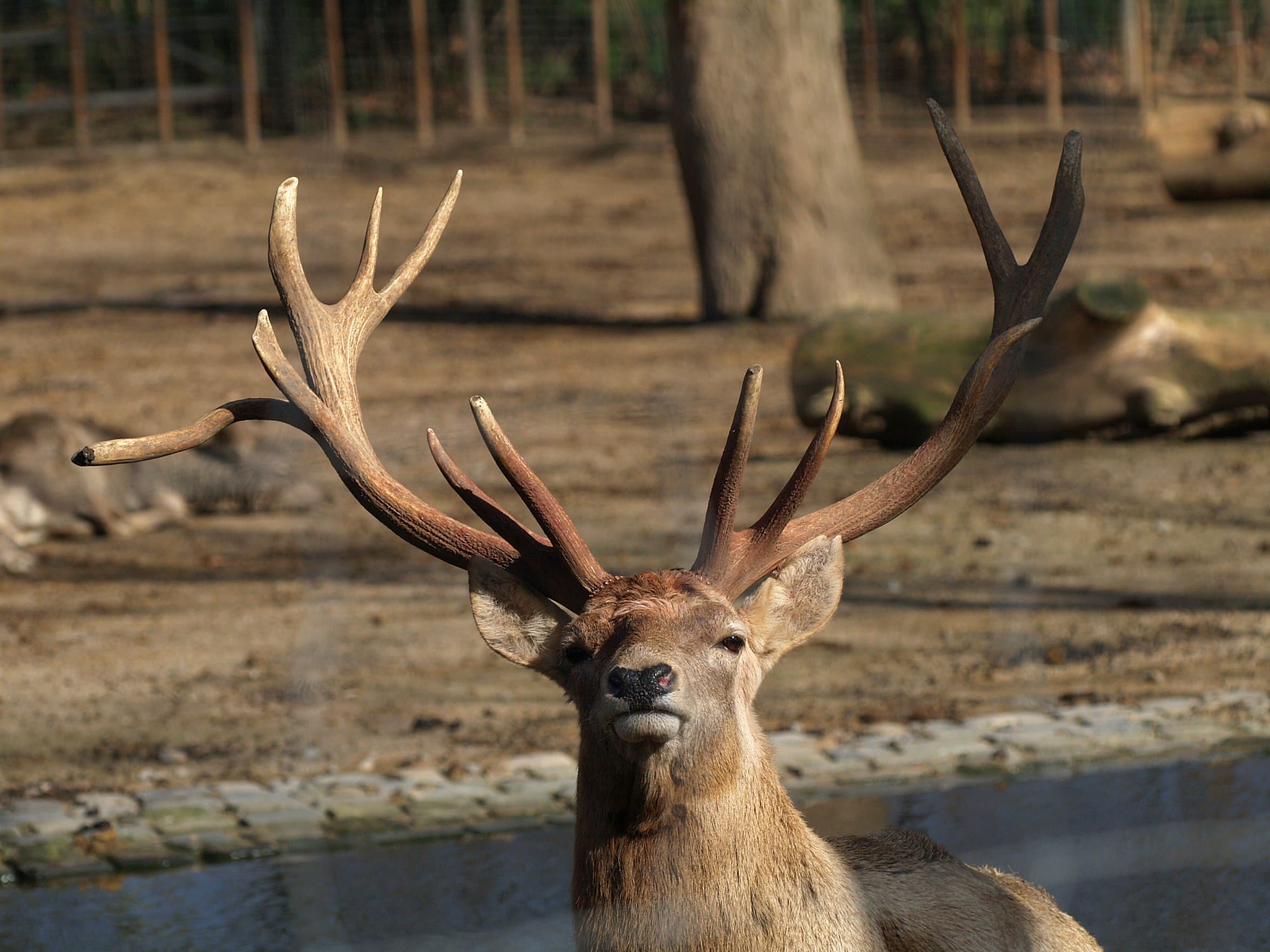
A Bactrian deer with pale speckled coat standing in a grassy riverside meadow

Photo Β· Wikimedia Commons

What is it?

The Bactrian deer β€” also called the Bukhara deer β€” is a large, graceful deer that once roamed the river valleys and floodplain forests of central Asia in great herds. It is named after the ancient kingdom of Bactria, which covered much of what is now northern Afghanistan. Today it is one of the rarest deer in the world, but small groups survive in protected areas along the Amu Darya river.

Tell me more

Bactrian deer are close relatives of the European red deer, but they are adapted to drier, flatter habitats β€” river floodplains covered in tall grasses, reeds and poplar forests rather than hills and heather. Their coat is a pale fawn colour in winter, turning reddish-brown with pale spots along the flanks in summer, helping them blend into sunlit grasses.

The males grow large, branching antlers that they shed and regrow each year. In autumn, males call loudly to each other in a deep roaring bellow β€” a sound that carries for kilometres across a quiet valley β€” as they compete for the right to join a group of females. The antlers themselves can span more than a metre across.

Conservation teams have been working to help Bactrian deer recover by protecting the riverside habitats they depend on. Captive-bred deer have been released back into the wild along the Amu Darya, and surveys suggest the population is slowly growing. The deer are considered an important symbol of the health of Central Asian river ecosystems.

In the classroom

Walk your class through this in 15 minutes.

Talk together

Discussion prompts

  1. 01The Bactrian deer is named after an ancient kingdom. What other animals can you think of that are named after places?
  2. 02Male deer roar to compete with each other in autumn. Why might sound be a better way to compete than fighting?
  3. 03Conservation teams are helping the deer recover by releasing captive-bred animals. Do you think it is always a good idea to release captive animals into the wild? What would you need to think about first?
Try this

Classroom activity

Research one other endangered deer or large mammal that is being helped by a conservation breeding programme. Make a one-page information sheet with a drawing of the animal, where it lives, why it became rare, and what is being done to help it. Present your findings to the class.