
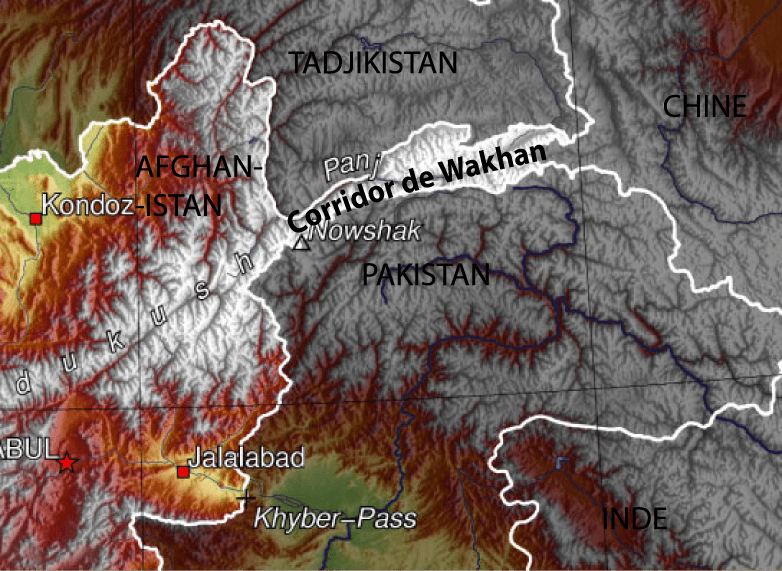
The corridor is only about 300 kilometres long but at times less than 20 kilometres wide. This unusual shape was decided long ago by rulers drawing lines on maps to keep different empires from touching each other. Today it means that Afghanistan has a border with China - something most people find surprising on a first look at a map.
The Wakhan River flows along the valley floor, fed by glaciers high in the Pamirs. Marco Polo, the famous explorer, travelled through this valley more than 700 years ago on his way between Europe and China along the Silk Road trade route. He wrote about the vast herds of wild sheep with enormous curling horns that he saw on the hillsides - the same animals we now call Marco Polo sheep in his honour.
Wakhi herders still live in the valley, moving their yaks and sheep between summer and winter pastures just as their ancestors did. The landscape is wild and almost roadless: eagles circle above, snow leopards prowl the rocky ridges above the valley, and at night the sky fills with more stars than most city children ever see.