
For hundreds of years, Bamiyan sat along the ancient Silk Road - the great network of trade routes linking China with the Mediterranean. Merchants, artists and scholars passed through, and a thriving community settled in the valley. The craftspeople who carved into the cliffs were extraordinarily skilled, creating niches so large that the smallest was 38 metres tall and the largest was 55 metres - about the height of a 15-storey building.
The red and ochre cliffs themselves are made of a soft stone called sandstone, which is easier to carve than granite or marble. Over the centuries, people also carved networks of caves into the cliffs, which became homes, storerooms and meeting places. Some caves still have faded painted decorations on their walls that archaeologists study today.
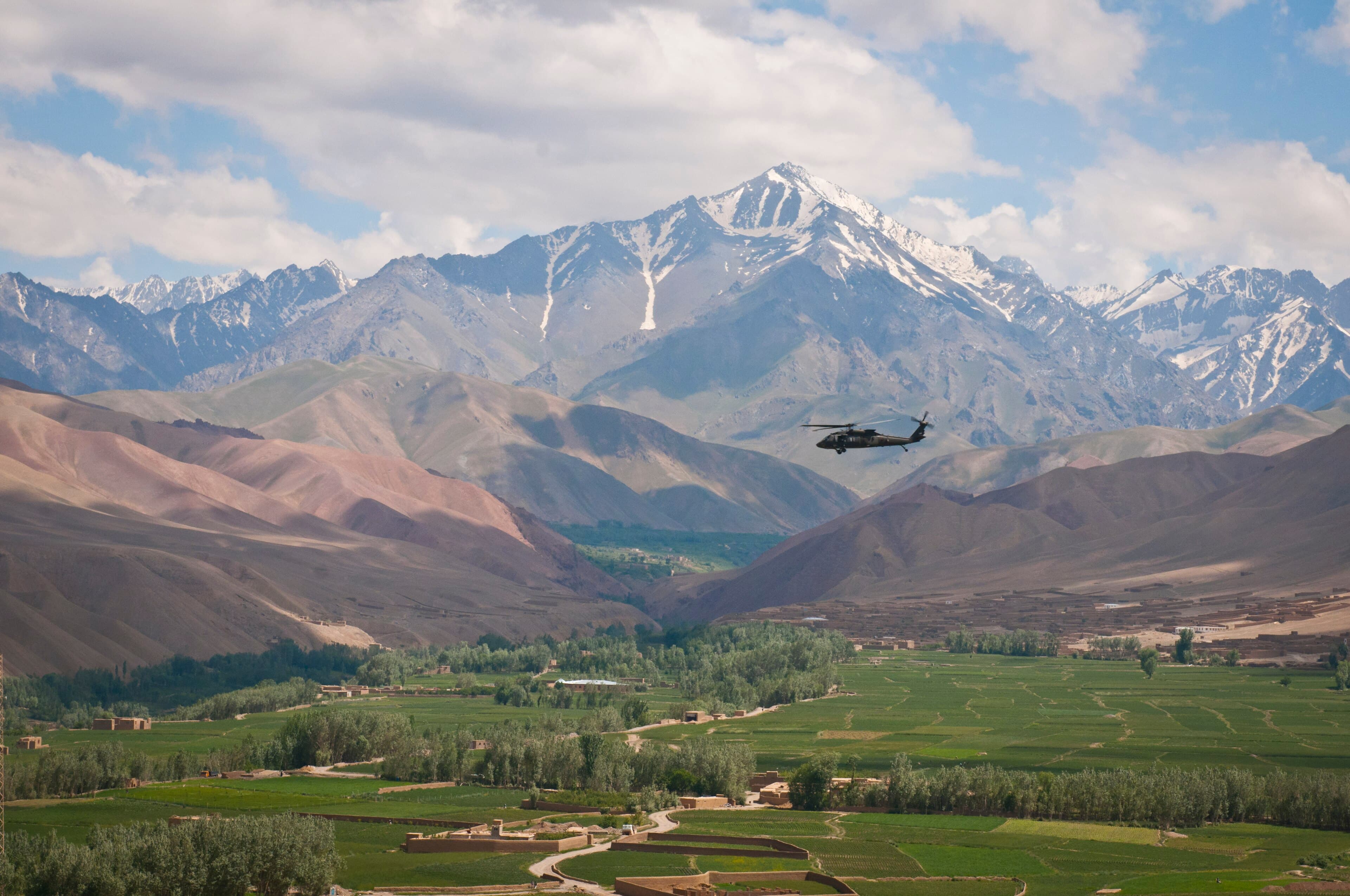
The valley floor sits at about 2,500 metres above sea level and is surrounded by snowy peaks. In spring, the fields below the cliffs turn bright green with new crops, and local people hold outdoor markets. The Band-e-Amir lakes are not far away, so visitors sometimes travel between the two in a single day, moving from the carved red cliffs to the electric-blue water.