
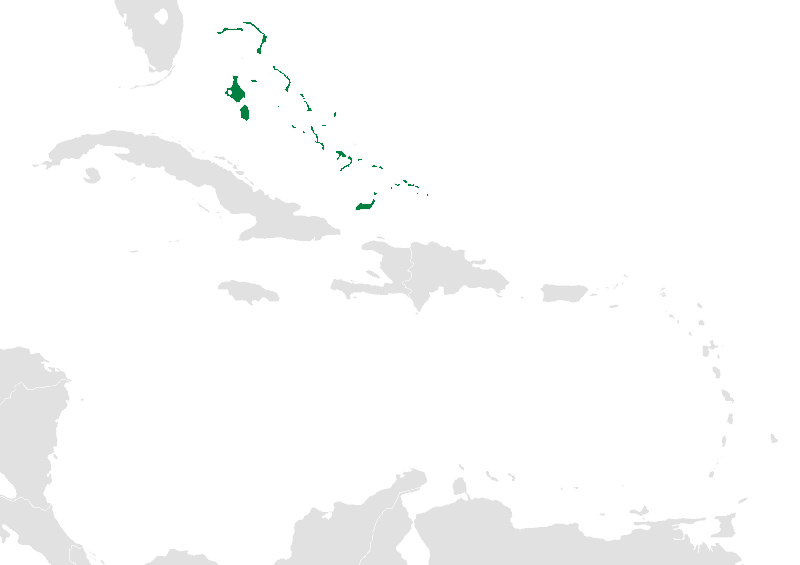
The Lucayan caves were carved out of the soft limestone rock over millions of years as rainwater slowly dissolved pathways through the stone. The result is a labyrinth of tunnels, caverns, and underground lakes that explorers began mapping in the twentieth century. Scientists have found bones of animals and humans inside that help us understand the ancient history of the islands.
Inside the caves, stalactites hang from the ceiling like stone icicles, and stalagmites grow up from the floor. They form when minerals in dripping water build up grain by grain over thousands of years. A stalactite the size of a pencil might be a hundred years old - they grow incredibly slowly.
The park above the caves is also beautiful. Mangrove forests grow at the edges of the water, creating a tangle of roots that act like a nursery for young fish. Visitors can walk along wooden boardwalks through the mangroves and look down into the glassy water of the cave openings below.
The caves are named after the Lucayan people, who were the first people to live in the Bahamas, long before any Europeans arrived. The park protects the caves and the forest above them so that everyone - fish, birds, and people - can share this remarkable underground treasure.