
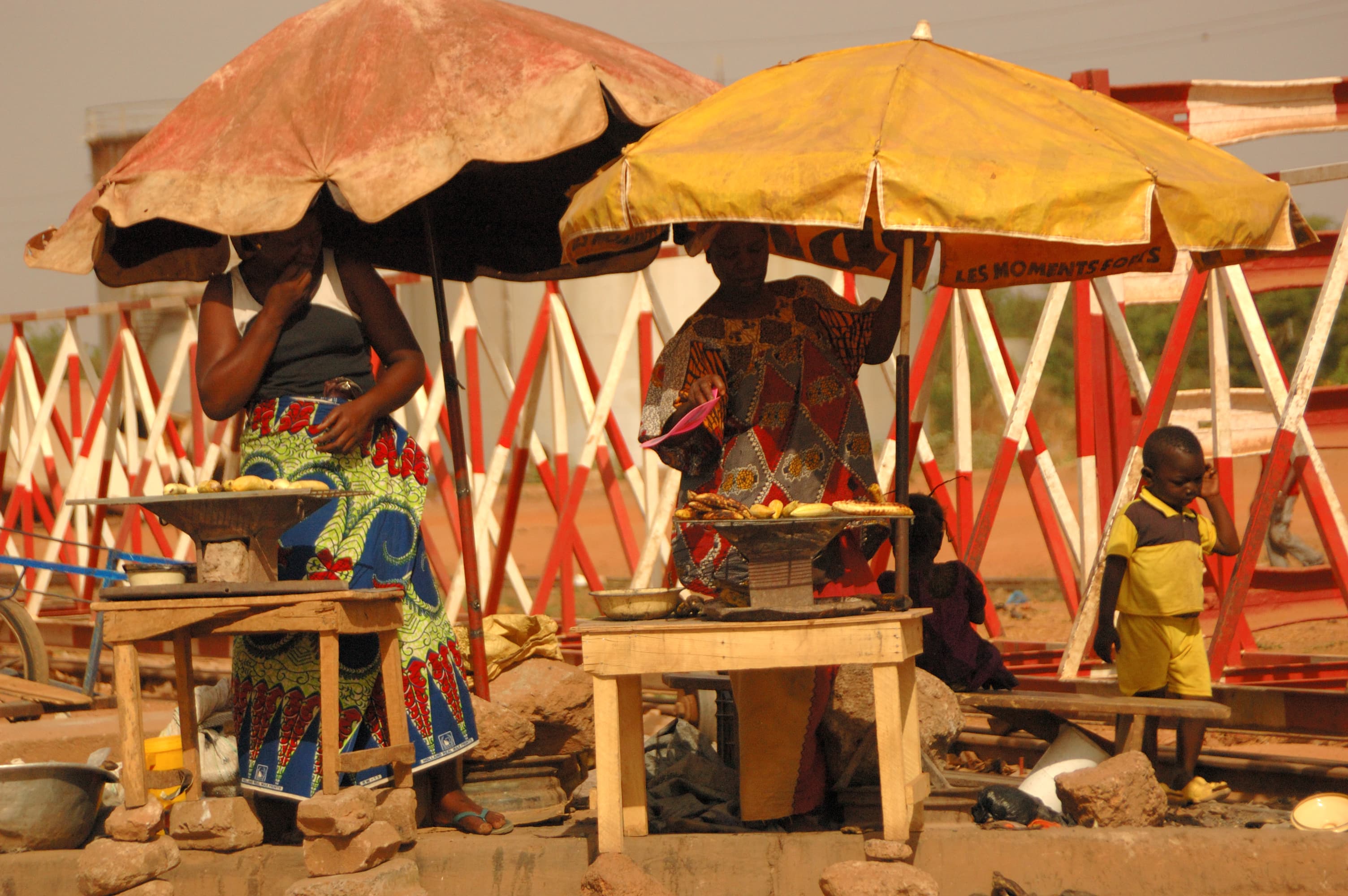
Plantains look like bananas but they are starchier and less sweet when unripe. For aloko, very ripe plantains are used - the skin should be almost black. At that stage the natural sugars have developed fully and the flesh becomes wonderfully sweet when fried. The outside turns crispy and caramelised while the inside stays tender.
Aloko stalls are found on street corners and in markets all across Abidjan and the rest of Côte d'Ivoire. The smell of plantain frying in oil is one of the first things many visitors notice when they arrive in the city. It is quick to make, filling, and loved by people of all ages.
The dish is shared across many countries in West and Central Africa, where plantains grow abundantly. In Côte d'Ivoire it is especially popular served alongside grilled tilapia fish and a spicy tomato and onion sauce. It is a comfort food that reminds many Ivorians of home, wherever they are in the world.