
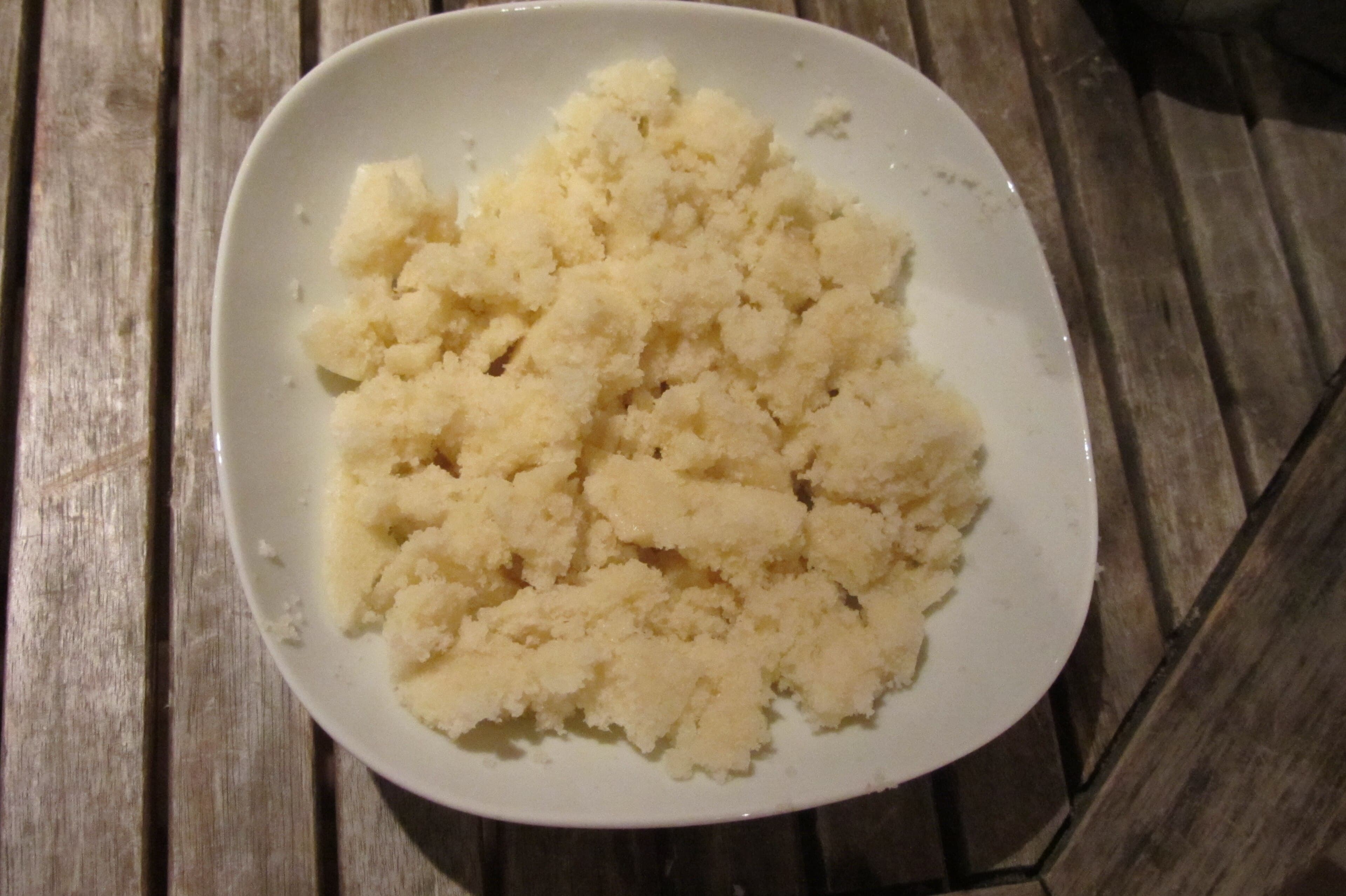
Classroom lesson · Attiéké · 🇨🇮 Ivory Coast

Attiéké

Côte d'Ivoire's UNESCO-listed cassava semolina

Photo · Wikimedia Commons

What is it?

Attiéké is a light, fluffy side dish made from fermented and grated cassava root. It looks and feels a bit like couscous or rice, but it has a slightly sour, nutty flavour from the fermentation process. In 2023, UNESCO added attiéké to its list of Intangible Cultural Heritage, recognising it as an important part of Ivorian culture and food tradition.

Tell me more

Making attiéké is a multi-step process. First, cassava roots are peeled, grated, and mixed with a small amount of already-fermented cassava as a starter – similar to how sourdough bread is made. The mixture ferments for a day or two, then it is pressed to remove liquid, broken into granules, and steamed.

The result is a light, airy grain that is fluffy when hot and slightly chewy when cool. It is eaten daily by millions of Ivorians and can be served alongside grilled fish, chicken, fried plantain, or stew. Street vendors sell small parcels of attiéké wrapped in leaves all over Abidjan.

Attiéké is particularly associated with the Alladjan and Adjoukrou communities who live near Lagoon Ébrié. UNESCO recognised it not just as a food but as a set of knowledge and traditions – the skills of preparing the cassava, the fermentation techniques, and the way knowledge is passed from older women to younger generations.

In the classroom

Walk your class through this in 15 minutes.

Talk together

Discussion prompts

  1. 01UNESCO protects not just buildings and landscapes but also foods and traditions. Why might a food be considered part of a country's heritage?
  2. 02Attiéké uses fermentation, just like yoghurt, cheese, and sourdough bread. What other fermented foods do you eat?
  3. 03Traditional knowledge of making attiéké is passed down through families. What knowledge has been passed down in your family?
Try this

Classroom activity

Create a 'Heritage Food Passport' for three foods from three different countries that have UNESCO recognition or a strong cultural story. For each food, write the country, main ingredient, how it is made (in two sentences), and why it is important to the people there. Present your passport to the class.