
Classroom lesson · Music · 🇨🇮 Ivory Coast

Balafon

West Africa's ancient wooden xylophone

Photo · Wikimedia Commons

What is it?

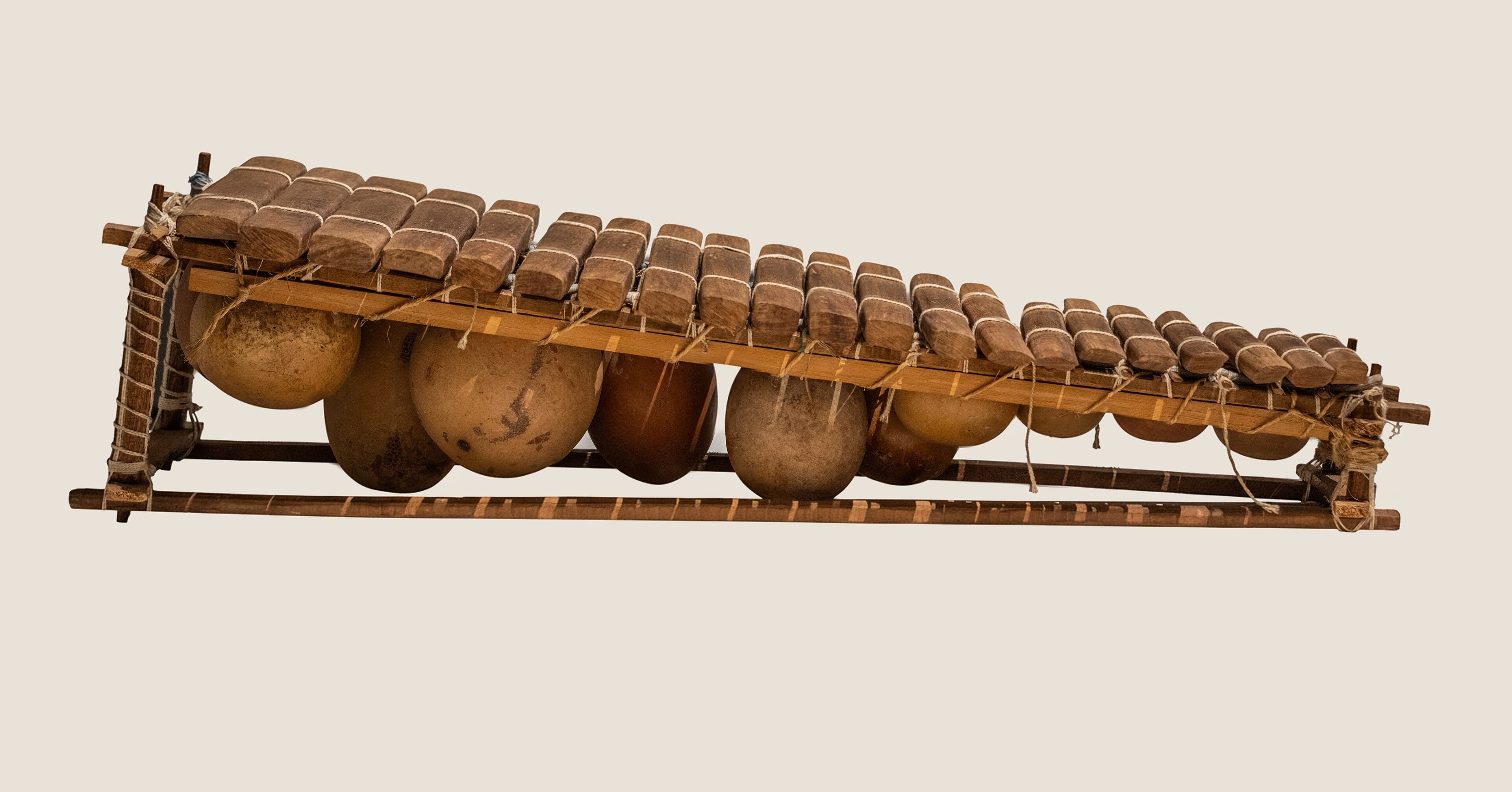
The balafon is a traditional instrument played across West Africa, including in Côte d'Ivoire. It looks a bit like a xylophone – a row of wooden bars of different lengths that are struck with padded mallets. Underneath each bar hangs a hollow gourd that acts as a resonator, making the sound fuller and richer.

Tell me more

Each wooden bar on a balafon is carefully tuned by carving and shaving it until it produces exactly the right pitch. The gourds underneath have small holes covered with a thin membrane – traditionally from spider webs or the tissue of certain seeds – that creates a slight buzzing quality in the sound. This is a deliberate feature, not an accident.

The balafon has been played in West Africa for at least 700 years. It features prominently in the griot tradition – griots are professional storytellers and musicians who serve as the living memory of their communities, keeping history alive through music, poetry, and oral tradition. Playing the balafon is considered a skilled and respected art.

In Côte d'Ivoire, the balafon is associated with festivals and ceremonies. Different ethnic groups have their own balafon traditions, tuning systems, and playing styles. Some styles are very fast and rhythmically complex, with two players on the same instrument passing rapid notes back and forth in a call-and-response pattern.

In the classroom

Walk your class through this in 15 minutes.

Talk together

Discussion prompts

  1. 01The balafon is similar to a xylophone but produces a different sound because of the gourds. What other instruments can you think of where something added underneath or around changes the sound?
  2. 02Griots keep history alive through music instead of books. What are the advantages and challenges of this approach?
  3. 03Musical instruments are often built from materials found locally. What natural materials might someone use to build a simple instrument near where you live?
Try this

Classroom activity

Make a simple balafon model using a ruler as the frame, five wooden pencils of slightly different weights as bars, and empty boxes underneath as resonators. Strike each pencil with another pencil and listen for any pitch differences. Then draw and label a real balafon, explaining how each part works.