
Classroom lesson · Great migration · 🇰🇪 Kenya

The Great Migration

Two million animals on the move, every year

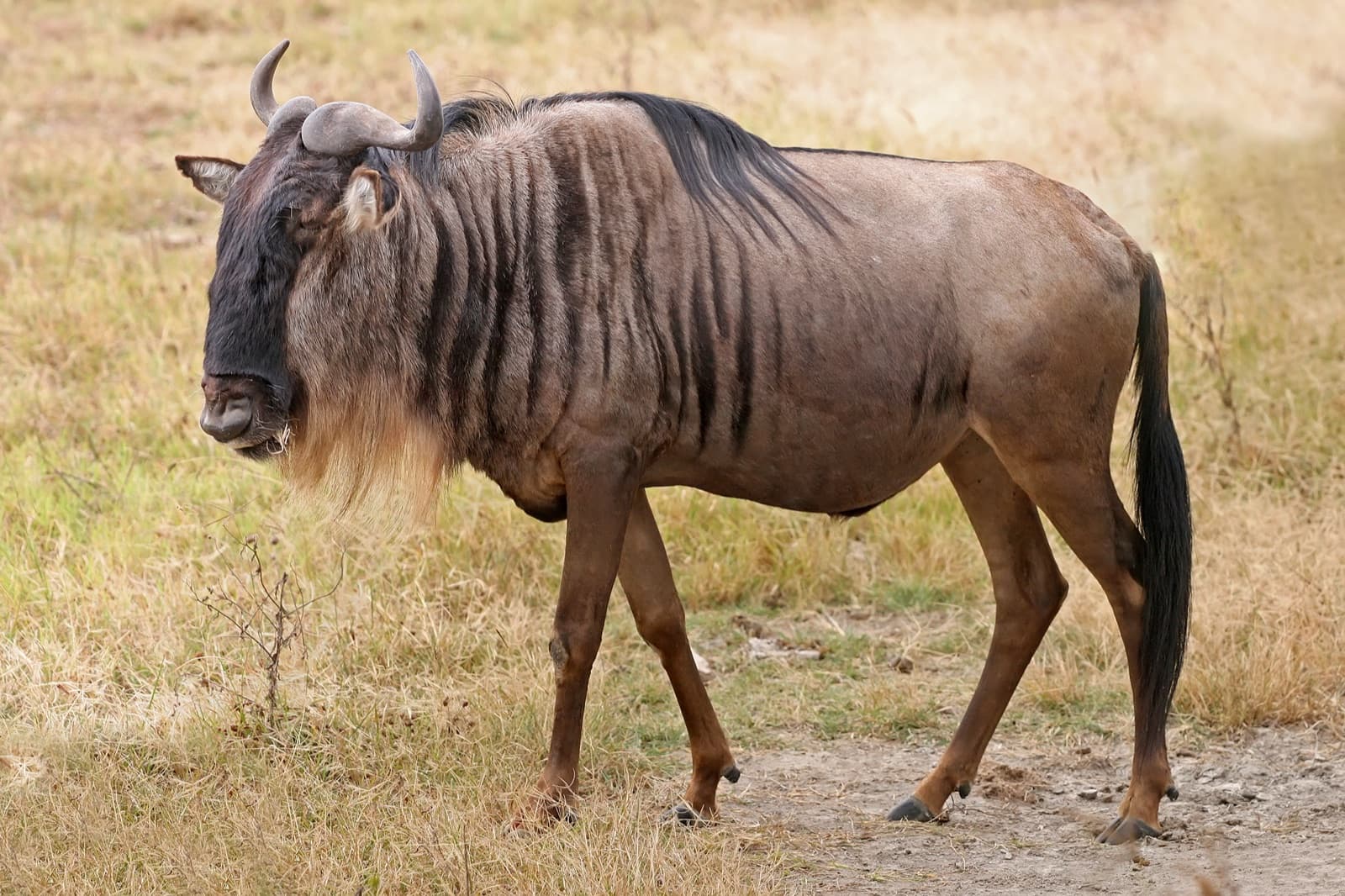
A vast herd of wildebeest crossing a river in the Maasai Mara

Photo · Wikimedia Commons

What is it?

Every year, around two million wildebeest, zebra and gazelle walk in a giant loop between Tanzania and Kenya, chasing the rain and the grass. It is the largest animal migration on land anywhere on Earth.

Tell me more

The migration follows the rain. When the grass in Tanzania's Serengeti grows tall after the wet season, the herds eat their way north. When that grass is gone, they keep walking — across rivers — to find new grass in the Maasai Mara in Kenya.

The most famous moment is the river crossing. The wildebeest have to swim across the Mara River. Thousands cross at once, jumping in together because it is safer in a giant group than alone.

The whole loop is about 800 kilometres long — roughly the distance from London to Edinburgh and back. The animals do it every single year, generation after generation, without maps.

The migration changes the landscape wherever it goes. The grass gets shorter, the soil gets richer, and millions of birds and insects follow along to find food. When the herds leave, the land starts growing back ready for the next year.

In the classroom

Walk your class through this in 15 minutes.

Talk together

Discussion prompts

  1. 01Why do the animals all cross the river at the same time? What does that tell us about safety in numbers?
  2. 02How might the herds know when to start walking, with no maps and no clocks?
  3. 03How might the grass and soil change after two million animals have walked across it?
Try this

Classroom activity

Map the migration loop on a world map. Compare 800 km to a journey you know — how many times would you have to walk from school to the next town to match it? Discuss what would be the hardest part of being on the migration.