
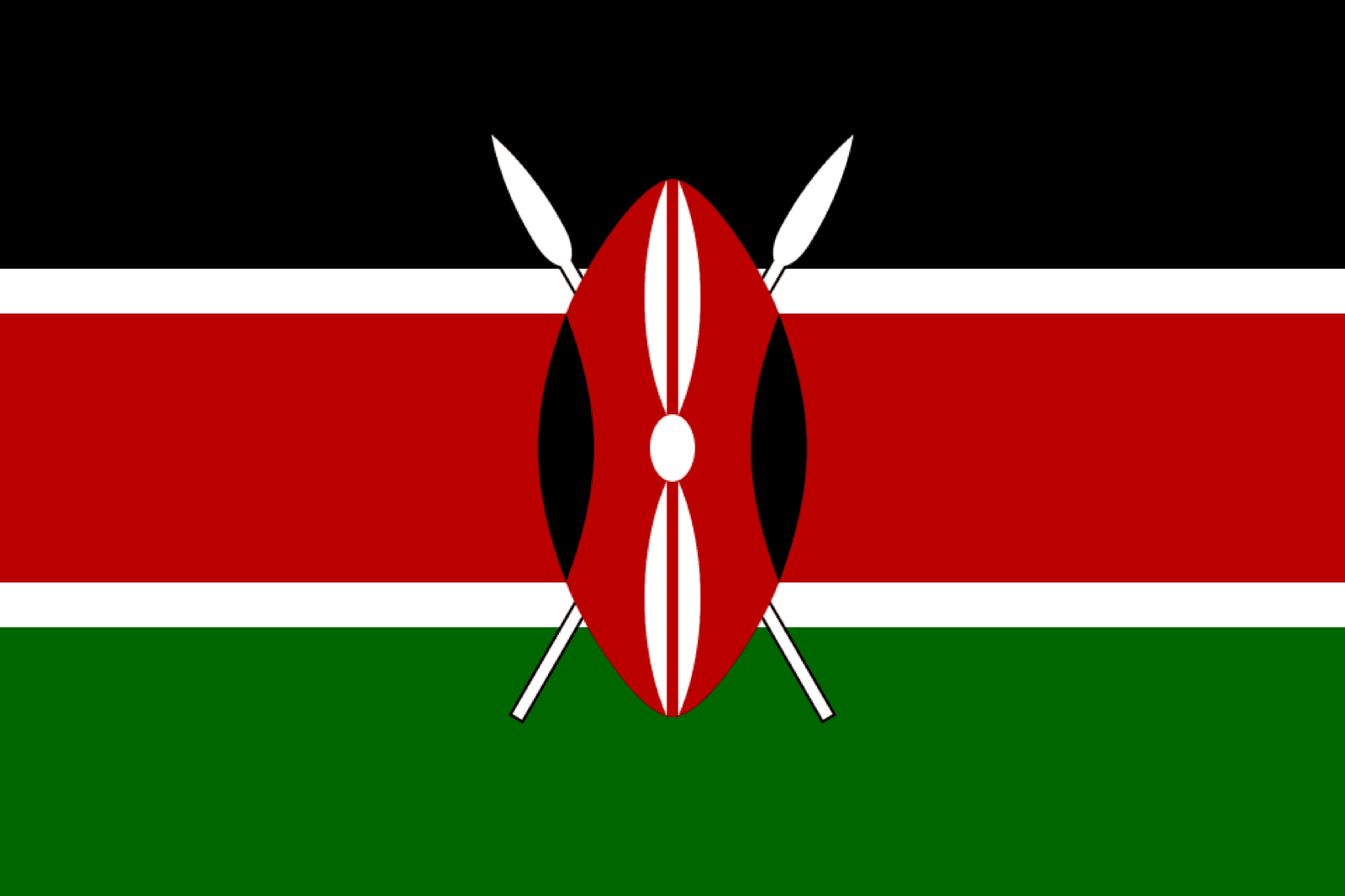
On Mashujaa Day, schools, towns and cities across Kenya hold parades, concerts, sports matches and speeches. The Kenyan flag - black, red, green and white, with a Maasai warrior's shield in the middle - is hung up everywhere. Many people wear the colours of the flag for the day.
It used to be called 'Kenyatta Day', named after one specific person. In 2010, Kenya changed the name to Mashujaa Day so the whole country could honour many heroes, not just one. The new name was a way of saying: heroes come in all shapes and sizes.
Lots of schools spend the week before Mashujaa Day talking about who their own heroes are. Sometimes children invite a 'hero' to their school - a grandparent, a teacher, a sports coach, a nurse - and say thank you. Some schools put on a big assembly with songs, traditional dances and short plays.
A hero in Kenyan tradition isn't just someone famous. The country uses the day to thank quiet heroes too - the farmer who feeds the village, the teacher who stays late, the children who help a younger sibling get to school. Heroes are anywhere someone helps someone else.