
Classroom lesson Β· Music Β· πŸ‡±πŸ‡» Latvia

Kokle

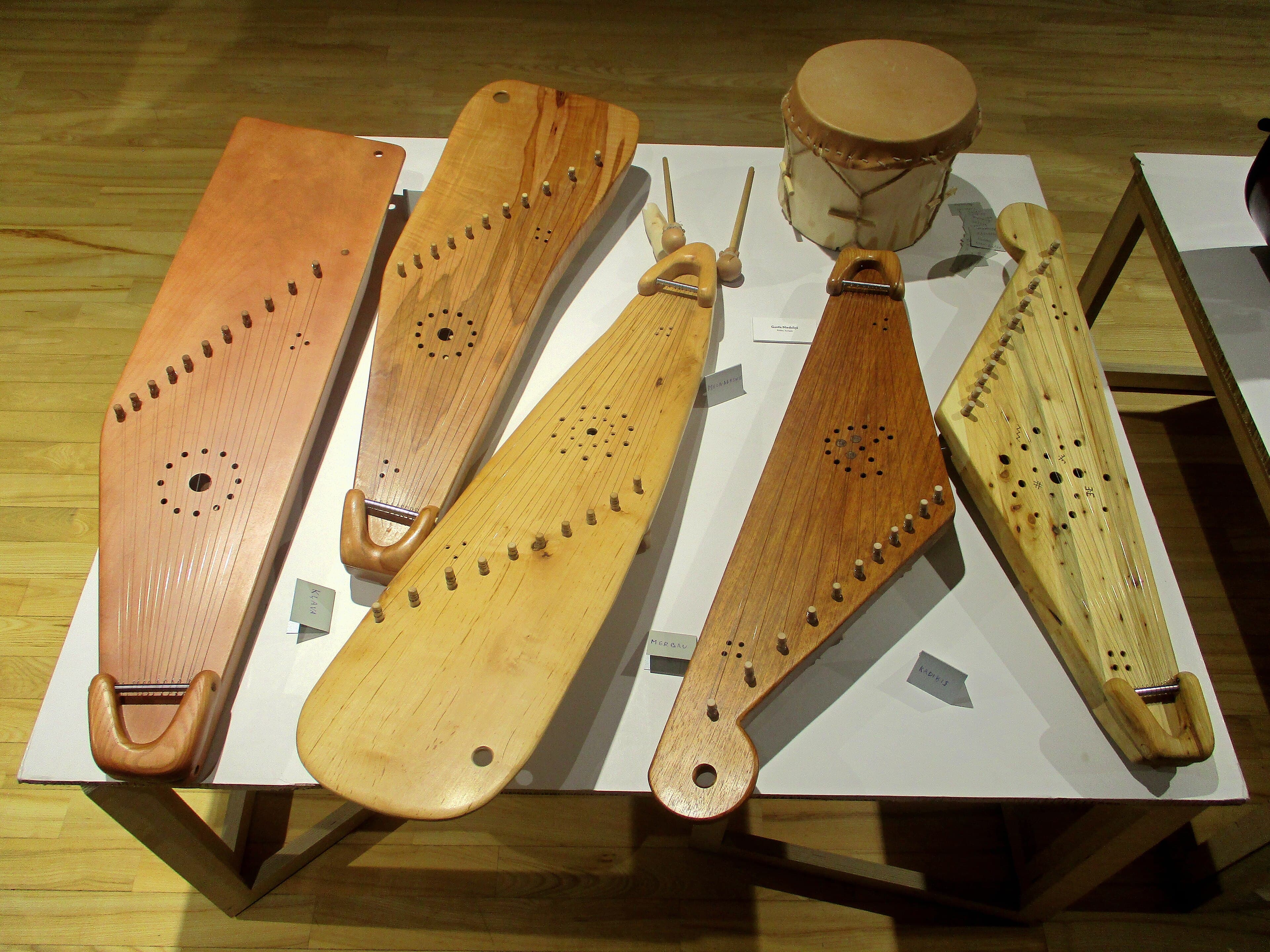
Latvia's ancient plucked string instrument β€” like a zither you rest on your lap

Photo Β· Wikimedia Commons

What is it?

The kokle is Latvia's most traditional musical instrument. It is a plucked string instrument, like a small harp or zither, that you lay flat on your lap or on a table and play by plucking or strumming the strings with your fingers. The sound it makes is gentle, shimmering and a little magical β€” the way you might imagine the sound of a forest stream made into music.

Tell me more

The kokle is very ancient. Similar instruments have been played across the Baltic region for at least a thousand years, and possibly much longer. Instruments very like the kokle are found in neighbouring countries: the Finnish kantele, the Estonian kannel and the Lithuanian kanklΔ—s are all cousins of the Latvian kokle. Scholars think they all descend from a very old common ancestor.

Traditional kokles were carved from a single piece of wood β€” usually alder, willow or maple β€” and had between five and nine strings made from gut or horsehair. Today, modern kokles can have many more strings and are made from a range of woods. They can be played solo or in ensembles, and some players have developed very complex, fast playing styles.

In Latvian mythology and folk songs, the kokle has a special, almost magical status. Old stories describe it being played to calm storms, make forests grow and bring people together in peace. The instrument is closely linked to Latvian identity β€” playing it is seen as a way of connecting with deep roots in the land and its traditions.

Today the kokle is taught in Latvian music schools and there is a revival of interest among young people who want to learn this ancient instrument. Kokle makers β€” craftspeople who build them by hand β€” are considered important keepers of cultural knowledge.

In the classroom

Walk your class through this in 15 minutes.

Talk together

Discussion prompts

  1. 01Many countries have their own special traditional instrument. Why do you think music instruments can become symbols of national identity?
  2. 02The kokle and the Finnish kantele are cousins β€” what does that tell us about how people and cultures have moved and mixed across time?
  3. 03If you could invent a new musical instrument, what materials would you use and what would it sound like?
Try this

Classroom activity

Make a simple string instrument using a cardboard box and rubber bands of different thicknesses. Stretch the bands over the open box, pluck them and listen. Which bands make the highest sound? Which the lowest? Write down your findings.