
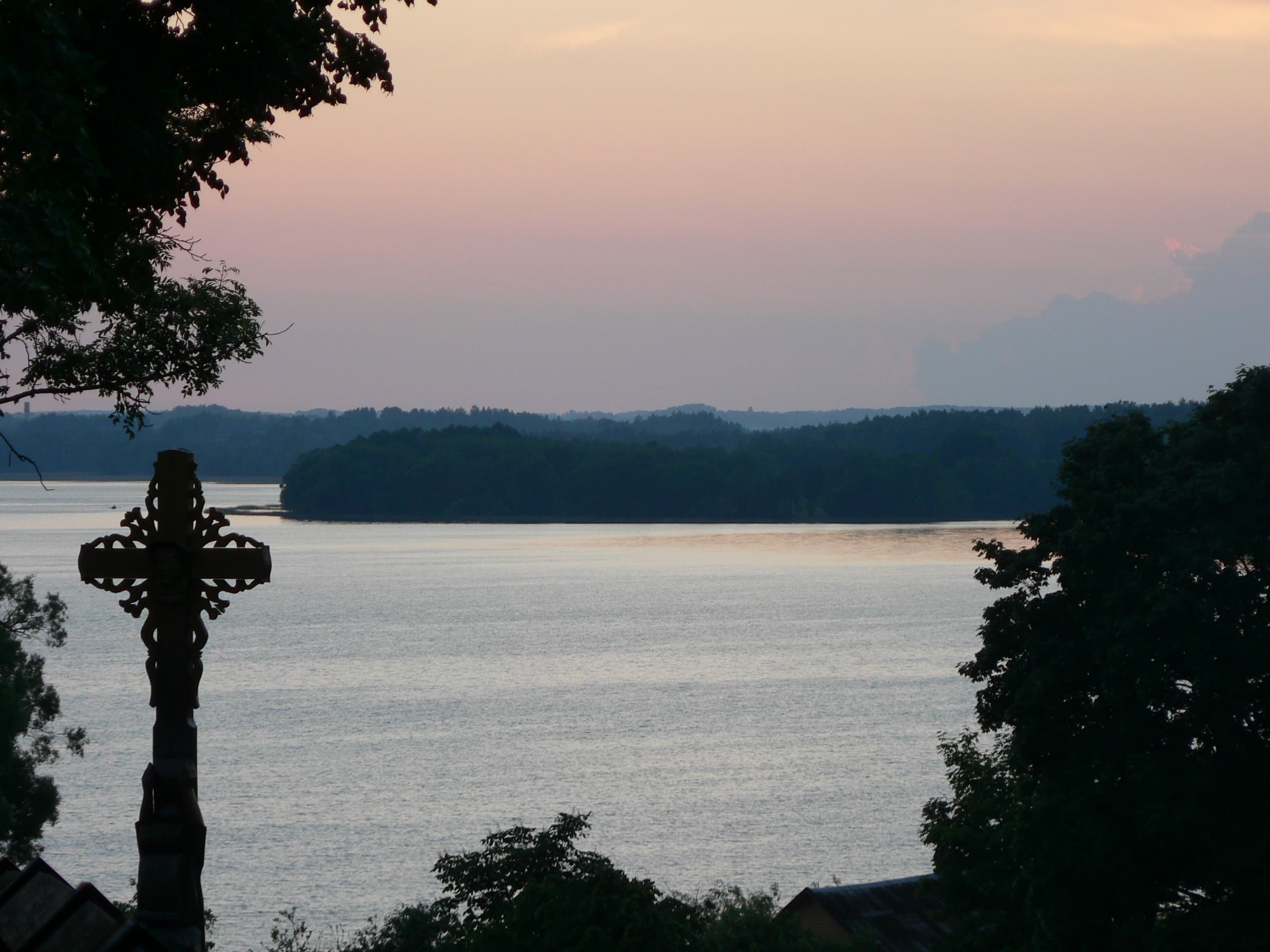
The park was shaped by glaciers that moved across the land thousands of years ago. As the ice retreated, it left behind a bumpy landscape of hills and hollows that filled with water, creating the clusters of lakes and wetlands the park is famous for today. Some of the lakes are so clear you can see the sandy bottom in the deep water.
Aukštaitija's forests are some of the oldest in Lithuania. Ancient pine trees tower above a floor covered in mosses, bilberries, and wild mushrooms. The park is home to bears, lynx, wolves, beavers, otters, and hundreds of species of birds - including the rare black stork, which is much shyer than its white cousin.
Several traditional Lithuanian villages still exist inside the park, including one called Ginučiai with a beautiful old watermill that still works. Visiting these villages gives you a sense of how Lithuanians have lived alongside these forests and lakes for centuries. Beekeeping and fishing have been the main livelihoods here for generations.
In summer, canoe routes connect many of the lakes, and paddling from one to the next through quiet pine-scented channels is a popular adventure. At night, far from city lights, the stars above Aukštaitija are astonishing - the park is one of the darkest places in Lithuania.