
Classroom lesson · Food · 🇲🇴 Macau

Serradura

Macau's sawdust pudding — a Portuguese dessert with a creative name

Photo · Wikimedia Commons

What is it?

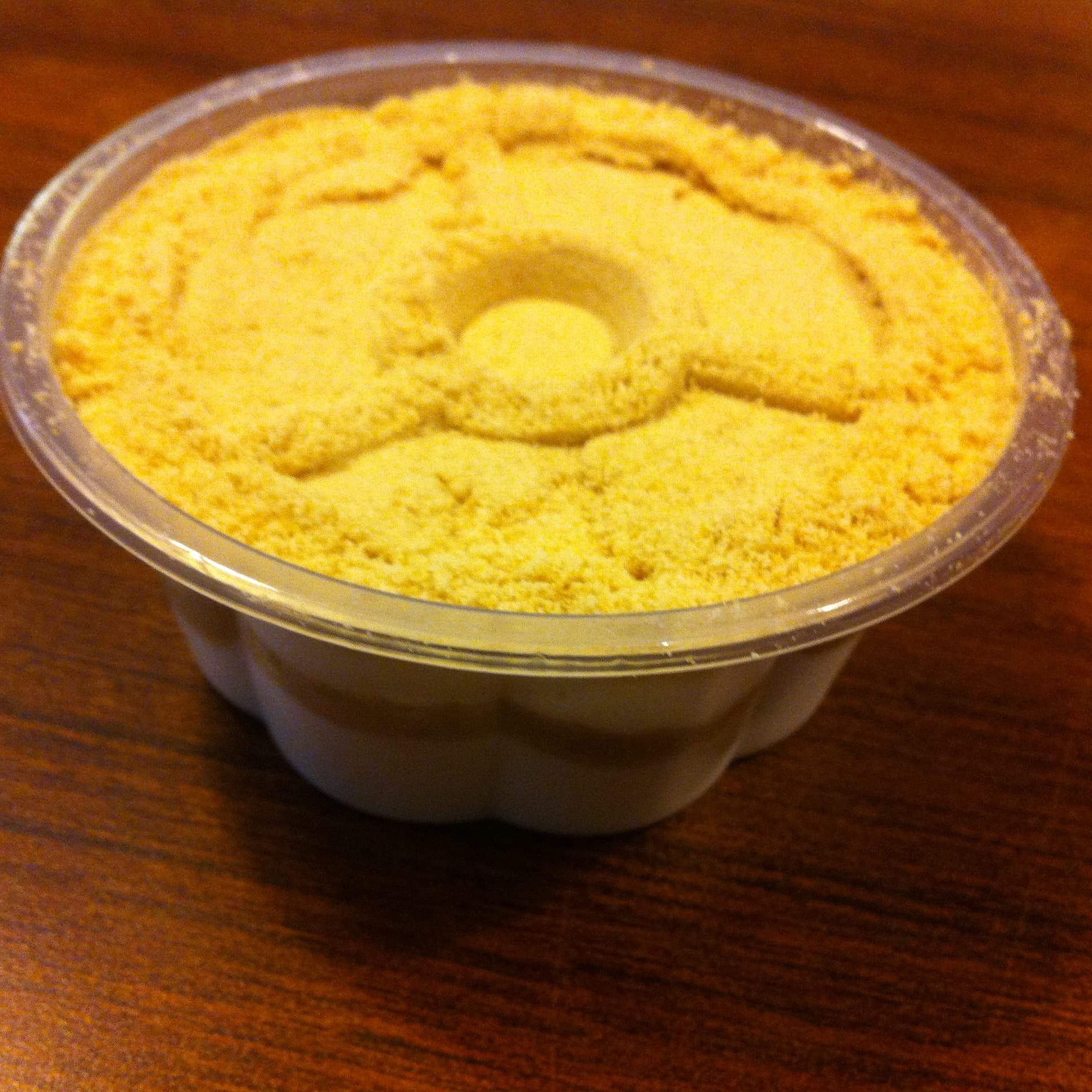
Serradura — which means 'sawdust' in Portuguese — is a creamy, layered dessert that looks a little like a glass of earth and wood chips, but tastes absolutely nothing like it. It is made from layers of whipped cream and crushed Maria biscuits (a classic Portuguese biscuit). The crushed biscuits look like fine sawdust, which is where the funny name comes from. It is cold, sweet and one of the most popular desserts in Macau.

Tell me more

Making serradura is beautifully simple. Maria biscuits are crushed into fine crumbs — the 'sawdust'. Cream is whipped until fluffy and sweetened with condensed milk. Then the two are layered in a glass or small cup: crumbs, cream, crumbs, cream, and crumbs on top. The dessert is chilled for a few hours until firm. That is the whole recipe.

Despite its simplicity, the result is surprisingly delicious. The cream is rich and silky, and the biscuit crumbs soften slightly in the fridge, absorbing a little cream and becoming almost like soft cake layers. The contrast between the smooth cream and the lightly textured crumbs makes each spoonful interesting.

Serradura came to Macau from Portugal, where it is also popular. In Macau, it became a staple in bakeries and cafés and spread from there to Macanese restaurants around the world. Some chefs have created variations — adding mango, coffee or chocolate flavour to the cream — but the classic version with just cream and biscuit crumbs is still the most loved.

In Macau's cafés, serradura is often served in small transparent plastic cups so you can see the layers from the side. It is eaten with a small spoon, going all the way down through the layers. Local children sometimes call it the 'see-through pudding' because of the clear cup.

In the classroom

Walk your class through this in 15 minutes.

Talk together

Discussion prompts

  1. 01'Serradura' means sawdust. Why might calling a dessert by an unexpected name make it more memorable or fun?
  2. 02Some recipes are very simple (just two main ingredients) but become very popular. What do you think makes a simple recipe successful?
  3. 03Serradura travelled from Portugal to Macau and then to Macanese restaurants around the world. How do foods travel from one country to another?
Try this

Classroom activity

Design a layered dessert on paper. Choose two contrasting ingredients (e.g. something crunchy and something creamy). Draw the layers in a tall glass, label each layer and give your dessert a creative name — ideally one that describes what it looks like rather than what it tastes like. Share with the class.