
Classroom lesson · Wildlife · 🇲🇱 Mali

Hippopotamus

Mali's gentle giants of the Niger River

Photo · Wikimedia Commons

What is it?

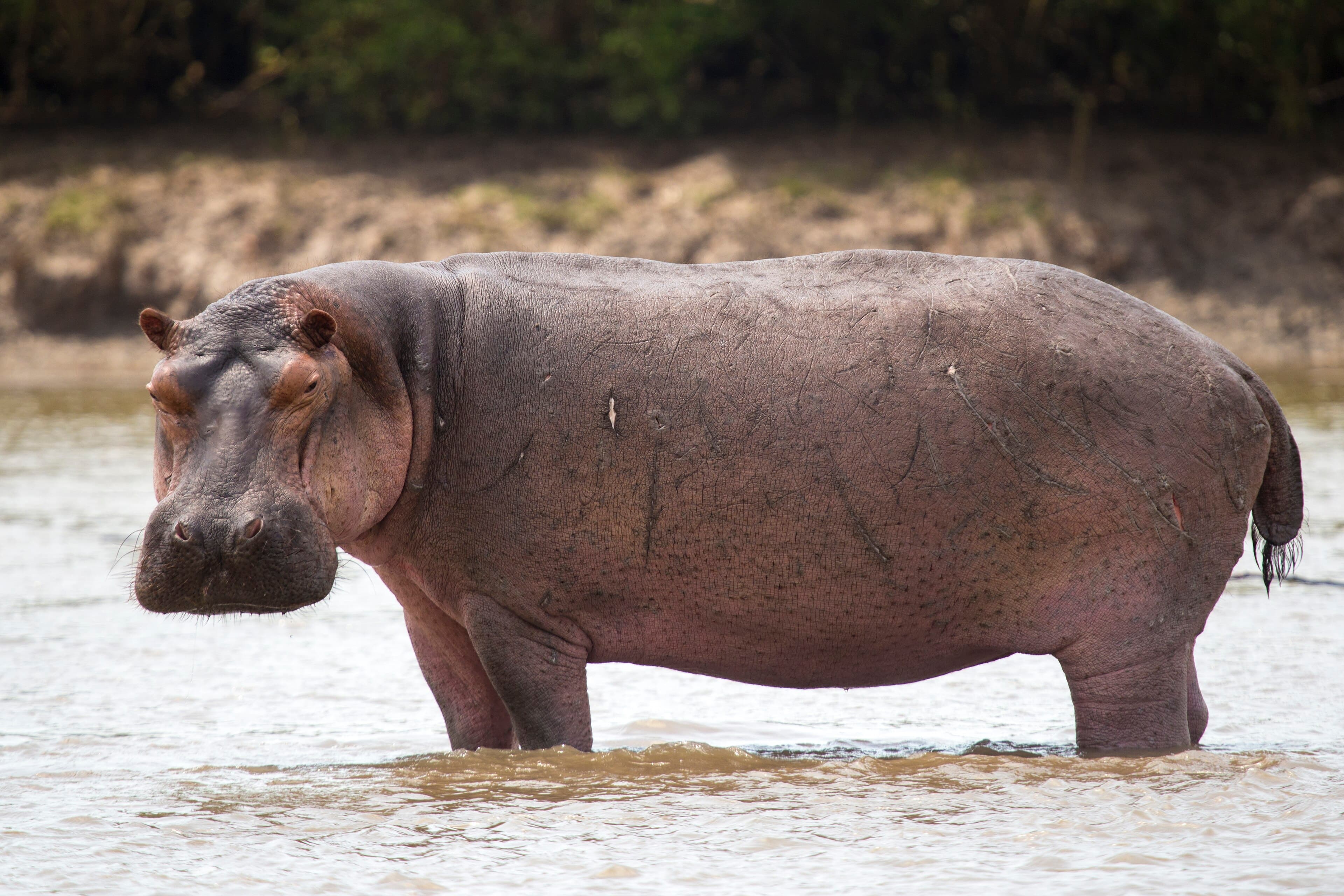
Hippos are one of the largest animals on land — only elephants are heavier. They spend most of their days in the water to keep cool, with just their eyes, ears and nostrils peeking above the surface. Mali's Niger River and the Sélingué reservoir are home to some of West Africa's most important hippo populations.

Tell me more

Hippos are surprisingly fast on land — they can run at about 30 kilometres per hour over a short distance, faster than most people can sprint. Despite their huge size, they are plant-eaters. At night, they leave the water to graze on grass, sometimes walking several kilometres to find enough food, then returning to the river before dawn.

A hippo's skin releases a reddish, oily liquid that acts as a natural sunscreen and moisturiser. Scientists once thought it was blood, but it is actually a special skin secretion that protects hippos from the fierce African sun and helps heal small cuts. You could say hippos invented sunscreen long before people did.

The Sélingué reservoir in southern Mali — created by a dam on the Sankarani River — has become an important sanctuary for hippos. Local guides take visitors out in small boats to watch hippos bobbing in the water, yawning, splashing and occasionally honking at each other. The pool is a peaceful place full of birdsong and the rumble of hippo calls.

In the classroom

Walk your class through this in 15 minutes.

Talk together

Discussion prompts

  1. 01Hippos go into the water to stay cool and come out at night to eat. How does the time of day change what you do?
  2. 02Hippo skin makes its own sunscreen. What other animals have surprising ways of protecting themselves from the sun or weather?
  3. 03Why is it important to protect the rivers and reservoirs where hippos live?
Try this

Classroom activity

Measure out 30 km/h on a running track as a percentage of how fast your fastest classmate can run. Then time how long you can hold your breath (safely, seated). Compare your result with a hippo's five minutes. What would you need to practise to get closer?