
Classroom lesson ยท Wildlife ยท ๐Ÿ‡ณ๐Ÿ‡ฆ Namibia

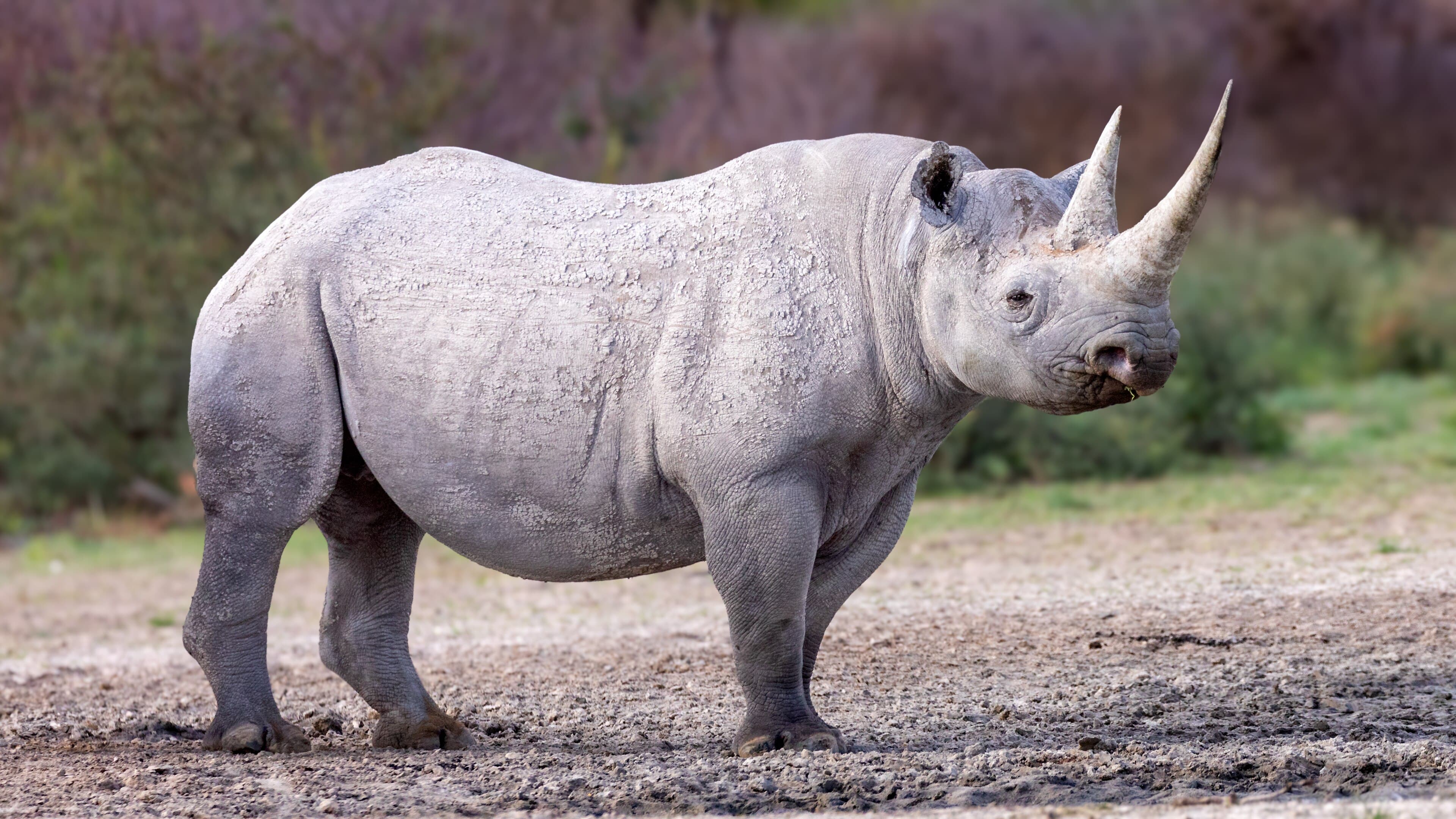
Black Rhino

One of the world's rarest animals, thriving in Namibia's rocky desert

Photo ยท Wikimedia Commons

What is it?

The black rhino is one of the rarest and most magnificent animals on Earth, and Namibia is home to more free-roaming black rhinos than any other country in the world. These powerful animals have two horns made of keratin (the same material as your fingernails), incredibly thick skin, and despite their size they can run surprisingly fast. Namibia has worked very hard to protect them.

Tell me more

Black rhinos are actually grey โ€” not black! Their name may come from the dark colour of the wet soil they sometimes wallow in, or simply to tell them apart from white rhinos. The easiest way to tell the two species apart is by their lips: black rhinos have a pointed, hooked lip for grabbing branches from bushes, while white rhinos have a wide, flat lip for grazing on grass.

Namibia's desert-adapted black rhinos are extraordinary because they have learned to survive in the rocky, dry landscape of Damaraland with very little water. These rhinos can walk huge distances โ€” up to 50 kilometres in a single night โ€” between waterholes. They are excellent at finding water and remembering where it is across a vast territory.

Community conservancies in Namibia have been a huge success story for black rhinos. Local communities work as rhino rangers and custodians, protecting the animals in their area and benefiting from wildlife tourism. Because communities have taken ownership of protecting rhinos, numbers have grown steadily โ€” a wonderful example of people and wildlife thriving together.

A baby black rhino is called a calf, and mothers are extremely protective of their young. Calves stay with their mothers for two to four years, learning all the skills they need to survive โ€” which plants are safe to eat, where the waterholes are, and how to navigate the rocky terrain. A young rhino has a lot to learn!

In the classroom

Walk your class through this in 15 minutes.

Talk together

Discussion prompts

  1. 01Black rhinos have a pointed lip for eating bushes, white rhinos have a flat lip for eating grass. How does the shape of an animal's mouth tell you about what it eats?
  2. 02Local communities in Namibia protect rhinos and benefit from it. Why do you think it works better when the people who live nearby are involved in conservation?
  3. 03A rhino calf stays with its mother for up to four years. What are some important things you have learned from a parent or carer?
Try this

Classroom activity

Create a 'rhino ranger log' for one imaginary week. For each of seven days, write two or three sentences describing what you observed on your patrol โ€” e.g. where you saw rhinos, what they were eating, how many there were, and anything unusual you noticed. Illustrate at least two of your log entries.