
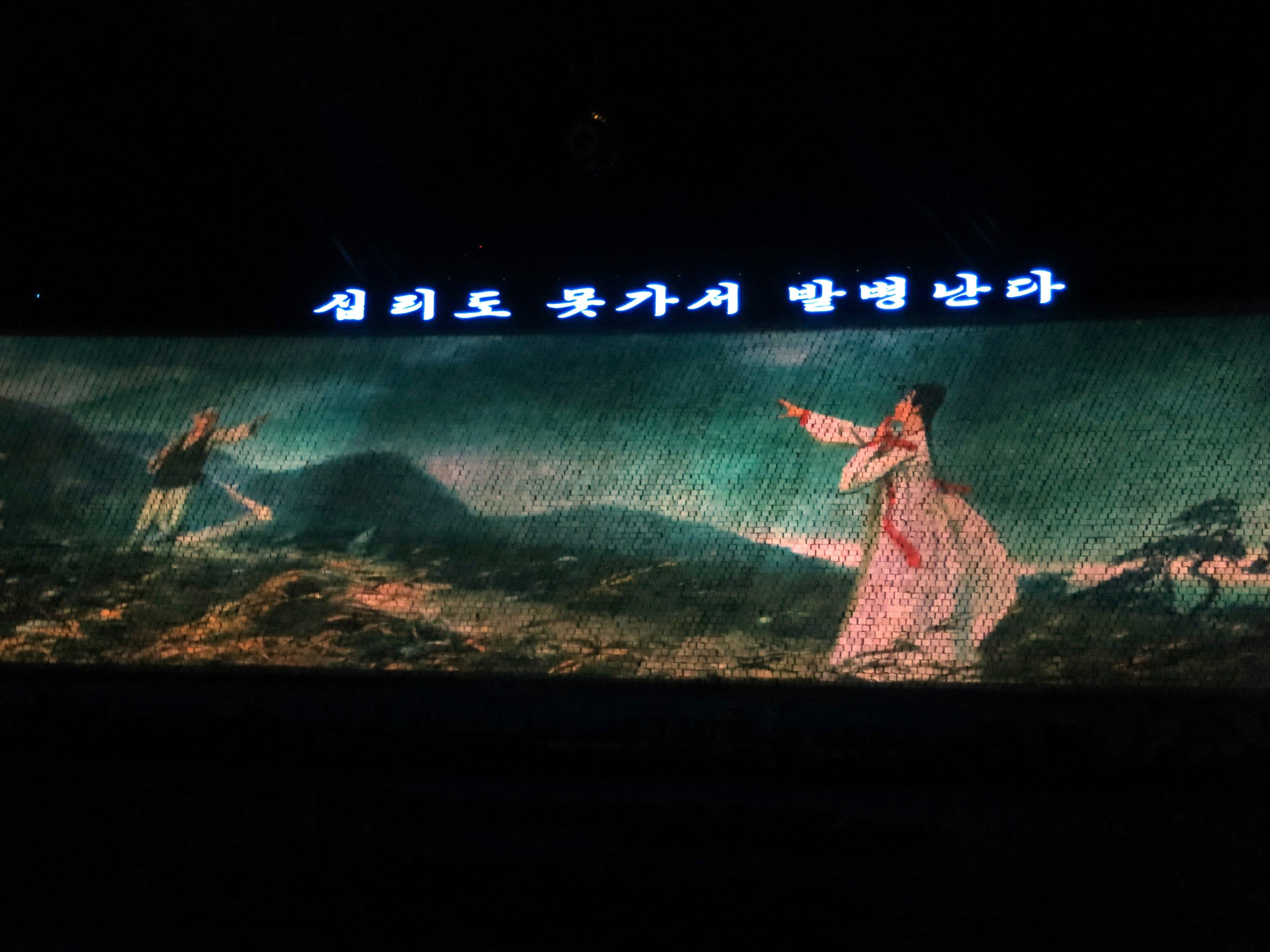
The words of Arirang describe walking over a mountain pass called 'Arirang hill', and the song carries a feeling of longing mixed with hope. Koreans sing it at celebrations, at family gatherings, at sporting events and simply when they feel moved to sing. Because there are so many versions - some say more than 3,600 variations - every community has its own Arirang.
The melody is gentle and flowing, often sung slowly, though it can also be performed lively and bright. Traditional instruments like the gayageum, haegeum (a two-string fiddle) and daegeum (a large bamboo flute) often accompany the song. Modern versions use guitars and orchestras.
Learning Arirang is part of growing up Korean. Children learn it at school and from their grandparents. When Koreans from different regions meet, singing a version of Arirang is a way of feeling connected even if the exact words and melody differ slightly.
Arirang is so well known that it is sometimes called an unofficial anthem of the Korean people. Its name comes from the words 'Arirang, arariyo', which appear in the refrain - words whose exact meaning has been debated for centuries, adding to the song's gentle mystery.