
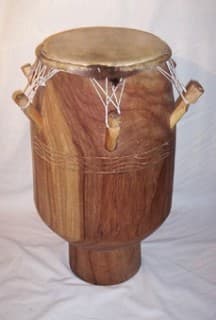
An agbadja performance uses several different sized drums played together at the same time. The largest drum sets the main beat; smaller drums weave faster patterns around it; a bell or rattle adds a shimmering layer on top. When you hear all these rhythms at once, your body almost automatically wants to move - that is part of the design. The music is meant to be felt in your chest as much as heard by your ears.
The dancers move in a circle, taking turns to step into the middle and perform. Footwork is precise and quick, with steps that mirror the drum patterns. Arms sweep out, hips sway, and the colourful fabric of the dancers' clothes fans out beautifully with each turn. Learning agbadja takes years of practice, and skilled dancers are highly respected in their community.
Agbadja is not just entertainment - it is a way of celebrating community togetherness. It is performed at naming ceremonies when a baby receives its name, at harvest times, and at other joyful occasions. The lyrics of the accompanying songs often tell stories about community life, praise hardworking farmers, or celebrate a good harvest. When a whole village dances together, the energy is electric.