
Classroom lesson · Fazao-Malfakassa National Park · 🇹🇬 Togo

Fazao-Malfakassa National Park

Togo's largest national park, full of wildlife and waterways

Photo · Wikimedia Commons

What is it?

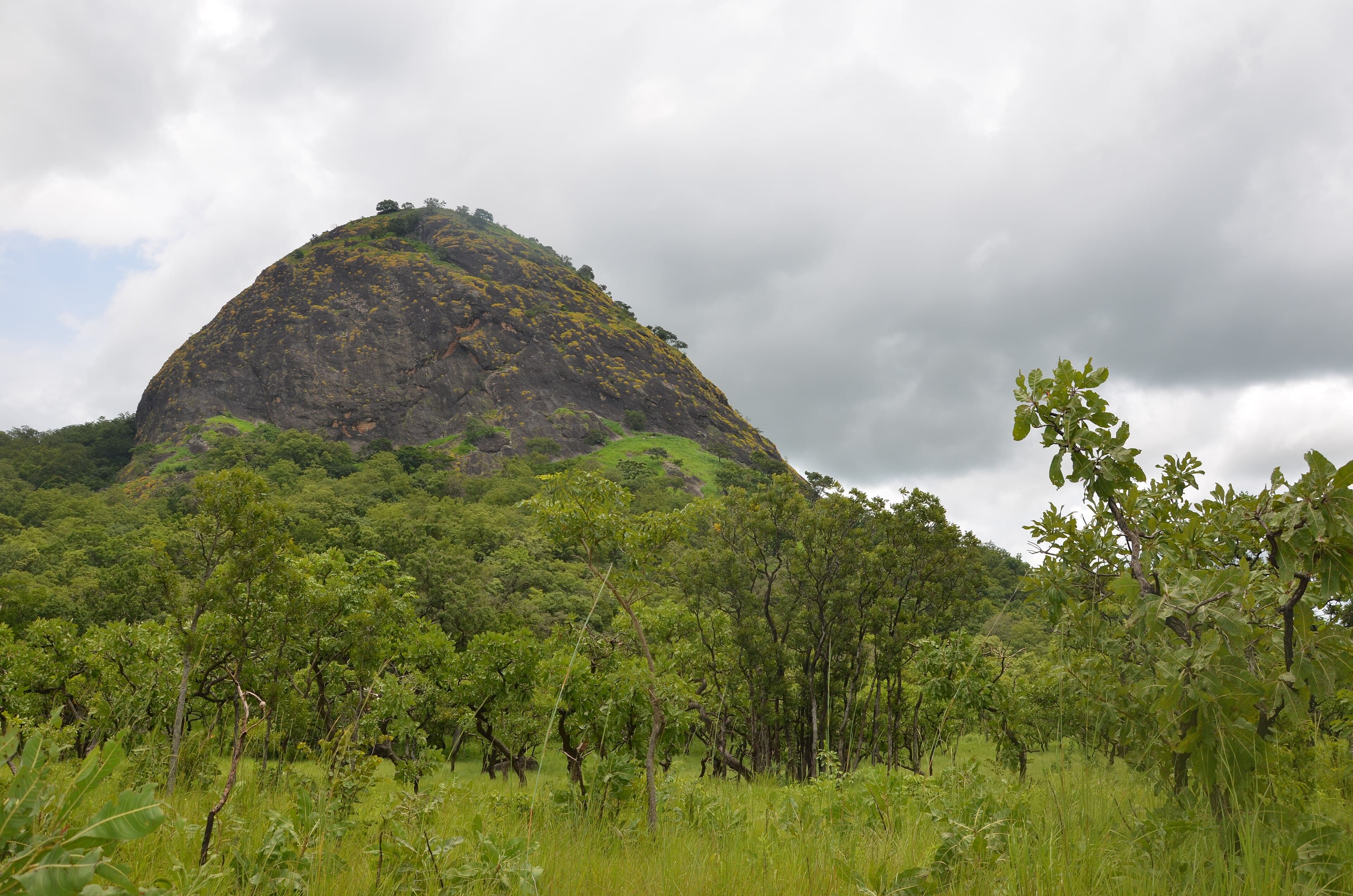
Fazao-Malfakassa is Togo's biggest national park, covering about 1,920 square kilometres of savannah, forest, rivers, and rocky hills in the centre of the country. It is home to elephants, hippos, buffaloes, baboons, and hundreds of bird species. The park protects a stretch of wilderness that is important for the whole West African region.

Tell me more

The park has two main landscapes that sit side by side: open savannah grassland where elephants and antelopes graze, and dense riverine forest where hippos cool off in the water and monkeys swing through the canopy. Moving between these two zones in a single day, you might see completely different animals in each place — it is like visiting two parks for the price of one.

Fazao-Malfakassa has several rivers running through it, including the Mono River, which is Togo's longest river. The rivers attract animals from across the park, especially during the dry season when other water sources dry up. Dawn and dusk are the best times to spot wildlife at the water's edge — patient visitors may catch elephants, baboons, and warthogs all drinking within a few metres of each other.

The park is also a haven for birds. Over 300 species have been recorded there, from tiny sunbirds that hover over flowers to giant hornbills with their bright curved beaks, and fish eagles that plunge into rivers feet-first to grab their meals. Bird watchers travel from many countries just to visit Fazao-Malfakassa.

In the classroom

Walk your class through this in 15 minutes.

Talk together

Discussion prompts

  1. 01The park has grassland and forest next to each other. Why might different animals prefer different habitats?
  2. 02Water is very important in the dry season. How do you think the animals of Fazao-Malfakassa share the rivers without too much fighting?
  3. 03Bird watchers travel from other countries to visit the park. Why might wildlife tourism be good for the local community?
  4. 04If you were a park ranger, what would your most important job be each day?
Try this

Classroom activity

Create a 'park guide' booklet for Fazao-Malfakassa. Fold two sheets of A4 to make an eight-page booklet. On the cover, draw the park name and a scene. Inside, give a page each to three animals and two birds: draw each one, write its name, one fun fact, and where in the park you would find it.