
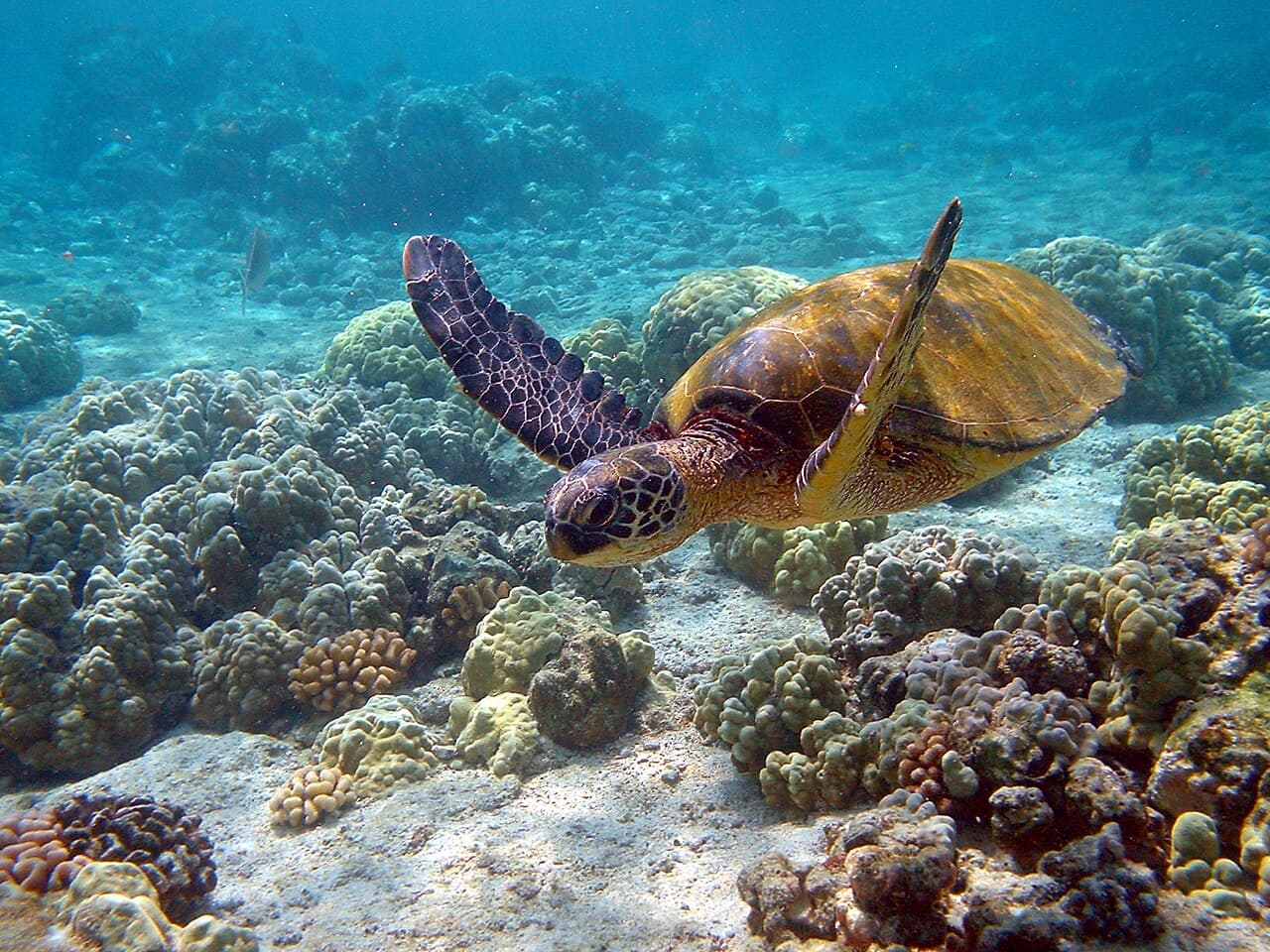
Female marine turtles travel enormous distances to return to the beach where they were born. Using the Earth's magnetic field as a compass, a turtle may swim thousands of kilometres across the open ocean and then arrive precisely at the same stretch of sand where she hatched decades ago. Scientists are still not entirely sure how this navigation system works - it is one of nature's great mysteries.
On the beach, the turtle digs a deep nest in the sand with her back flippers and lays around 100 soft, leathery eggs. She covers them carefully, then returns to the sea. The warm sand incubates the eggs for about two months. When the babies hatch, they dig their way up through the sand at night and race to the water, guided by the light reflected off the sea. Only about one in every 1,000 hatchlings survives to become an adult, which is why each nesting is so precious.
Along Togo's Atlantic coastline, community groups have set up turtle protection programmes. Volunteers patrol the beaches at night during nesting season, making sure the nests are not disturbed, and sometimes moving eggs that are in danger to safer spots. Thanks to these efforts, more turtles are successfully hatching each year on Togolese beaches.