
Classroom lesson ยท Food ยท ๐Ÿ‡น๐Ÿ‡ฌ Togo

Yam Festival

A harvest celebration giving thanks for the year's yam crop

Photo ยท Wikimedia Commons

What is it?

The Yam Festival is one of the most important harvest celebrations in Togo and across West Africa. Held at the end of the yam growing season โ€” usually around August or September โ€” it is a time for families and communities to give thanks for the harvest, share food, celebrate with music and dancing, and look forward to the year ahead. Yams are large starchy root vegetables and a vital source of food and income for millions of West African farming families.

Tell me more

Before the festival, nobody in the community is supposed to eat from the new yam harvest. The festival marks the official opening of the harvest โ€” the first yam of the season is cooked and shared ceremonially, as a way of giving thanks for the food the earth has provided. After that, everyone feasts. The first-yam ceremony reminds people that food is a gift that comes from hard work, good soil, and favourable rains all working together.

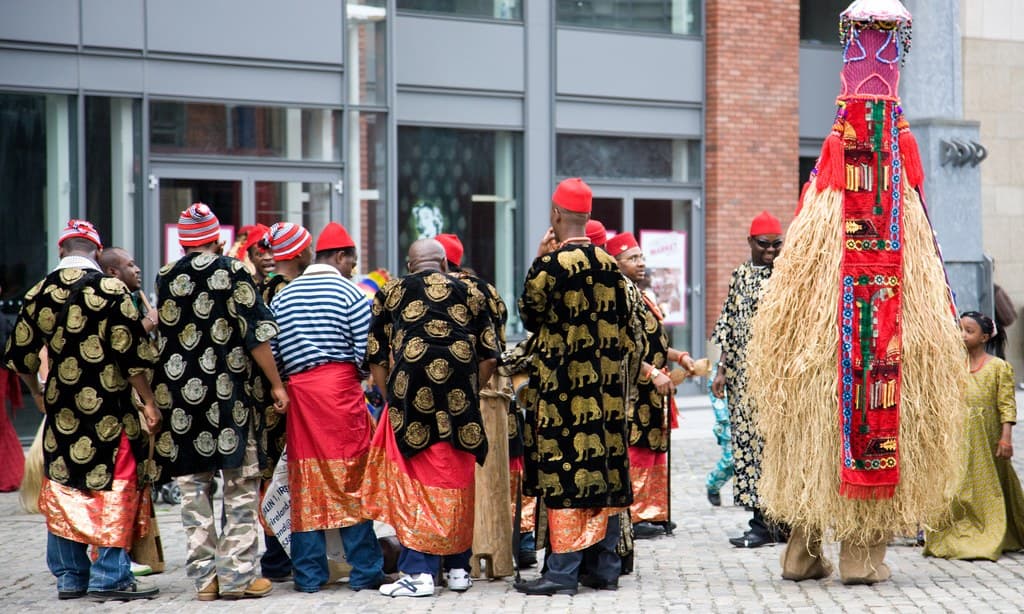
The celebration itself is full of colour and energy. Women in bright cloth cook huge pots of yam dishes โ€” boiled, pounded, or fried โ€” while musicians play and dancers perform. Communities who usually live and work apart come together for the festival days, catching up with relatives and friends, trading goods, and watching competitions. It is one of those events that makes a community feel like a community.

Yams are not the same as sweet potatoes, though people sometimes confuse them. True West African yams are large and often heavier than a baby โ€” some can weigh 30 kilograms or more. They have a brown rough skin and white starchy flesh inside. They can be stored for months without going bad, which made them a historically important food for long journeys and for keeping families fed through the dry season when other crops were not growing.

In the classroom

Walk your class through this in 15 minutes.

Talk together

Discussion prompts

  1. 01The Yam Festival begins with a ceremony of thanks before anyone eats the new harvest. Why do you think marking the start of eating with gratitude might be important for a farming community?
  2. 02Many cultures around the world have harvest festivals. What harvest festivals do you know about from your own culture or others?
  3. 03West Africa produces 90% of the world's yams. What might happen to prices and food security in other places if one region grows most of one important crop?
Try this

Classroom activity

Plan a classroom 'Harvest Festival'. Each student chooses one food grown in their country or region. They draw it, write two sentences about where it grows and how it is cooked, and then make a class display. Arrange all the foods by which part of the plant they come from: root, leaf, fruit, or seed. Finish by each student saying one thing they are grateful for.