
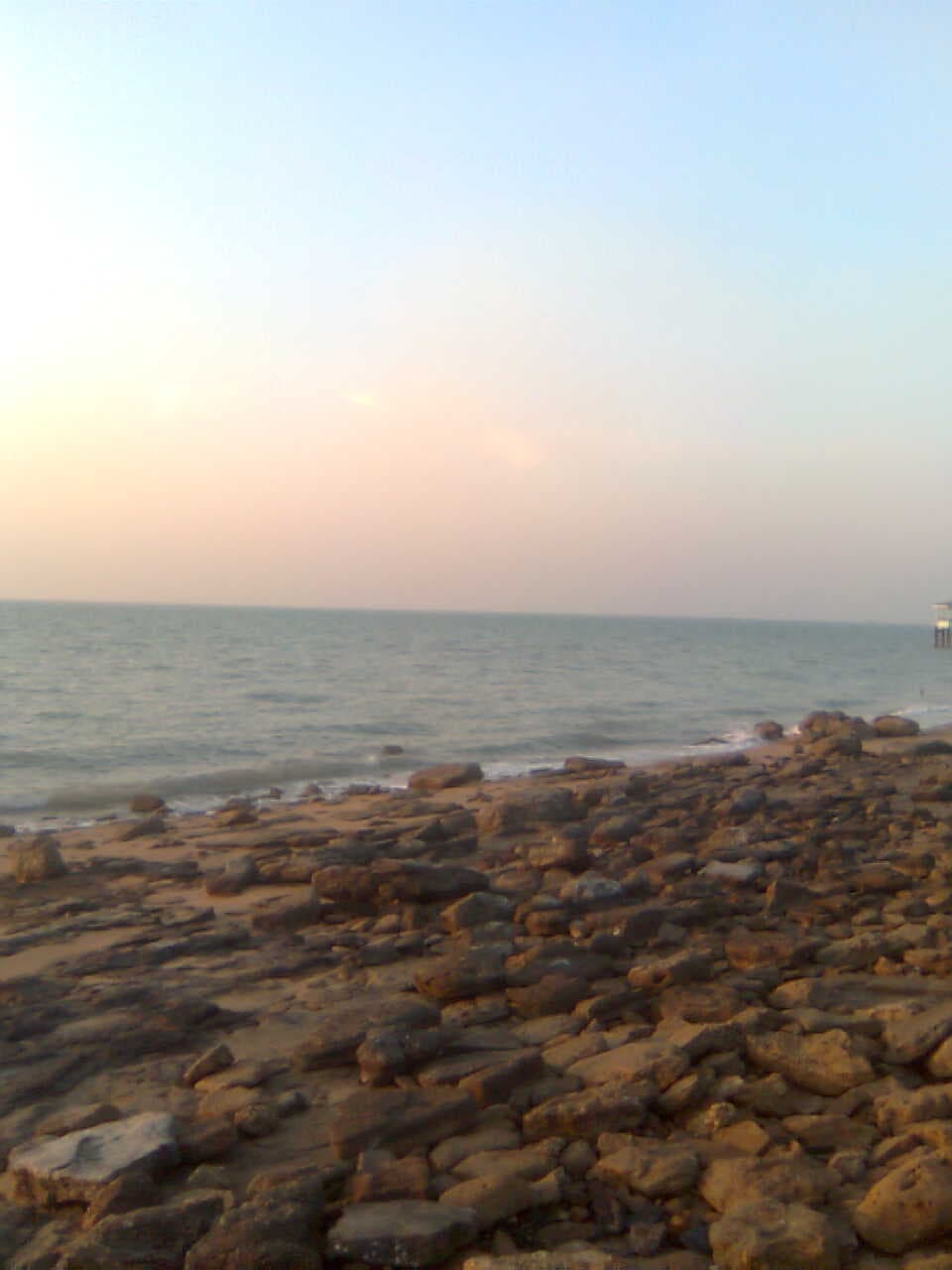
People have been living on Failaka since at least 2000 BC, which makes it one of the oldest continuously inhabited places in Kuwait. Diggers and archaeologists have uncovered temples, pottery, coins and even small statues from different eras. Each layer of soil tells a new chapter of the island's story, like pages in a very old book.
Long ago, Failaka was part of a trading network that stretched across the ancient world. Merchants travelling by boat between Mesopotamia (modern-day Iraq) and the Indus Valley (modern-day Pakistan and India) would stop at the island for fresh water and supplies. Archaeologists have found objects from all of these distant places in the soil of Failaka, showing just how connected the ancient world was.
Later, soldiers from ancient Greece settled on the island when Alexander the Great's army marched through the region more than 2,300 years ago. They built their own small town, a temple and a defensive wall. Archaeologists found Greek coins and pottery, proving that people from the Mediterranean had made a little home here on the edge of the Arabian Gulf.
Today Failaka is partly a nature area and partly an archaeological park. Visitors travel there by boat to see the dig sites, walk along the beaches and spot migratory birds that stop on the island during their long journeys between continents.