
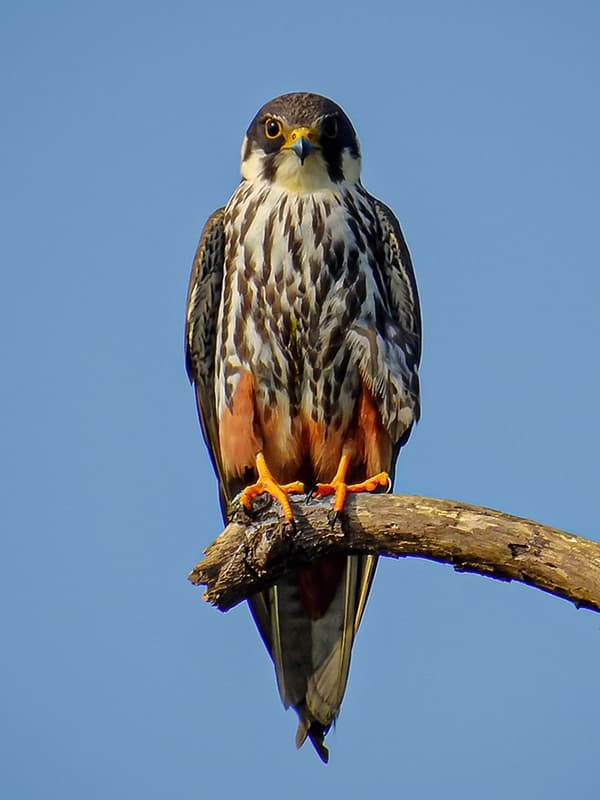
Falconry - the art of training falcons to hunt - is one of the oldest living traditions in Kuwait. Falconers spend months carefully building a relationship of trust with a bird, teaching it to fly from the fist, to follow a lure and to return after a hunt. The bond between a falconer and a trained bird is extraordinary, and skilled falconers know every feather and mood of their bird.
Falcons have incredible eyesight, roughly eight times sharper than a human's. They can spot a small bird or animal from hundreds of metres up in the air. When they dive - a move called a stoop - they fold their wings tight and drop like an arrow, sometimes reaching over 300 km/h. Special bony ridges in their nostrils help them breathe at these terrific speeds.
Kuwait has special falcon hospitals where sick or injured birds receive expert veterinary care. Trained falcons are valuable and deeply loved by their owners, and the hospitals use the same medical technology as human hospitals - X-ray machines, operating theatres and intensive care. A well-trained falcon can be worth tens of thousands of dinars.
UNESCO (the United Nations cultural organisation) has listed falconry as an Intangible Cultural Heritage - meaning it is a living tradition so important to human culture that the world has agreed to help protect it. Kuwaiti children learn about falconry at school and can visit falconry festivals where they see the birds up close and watch experienced falconers at work.