
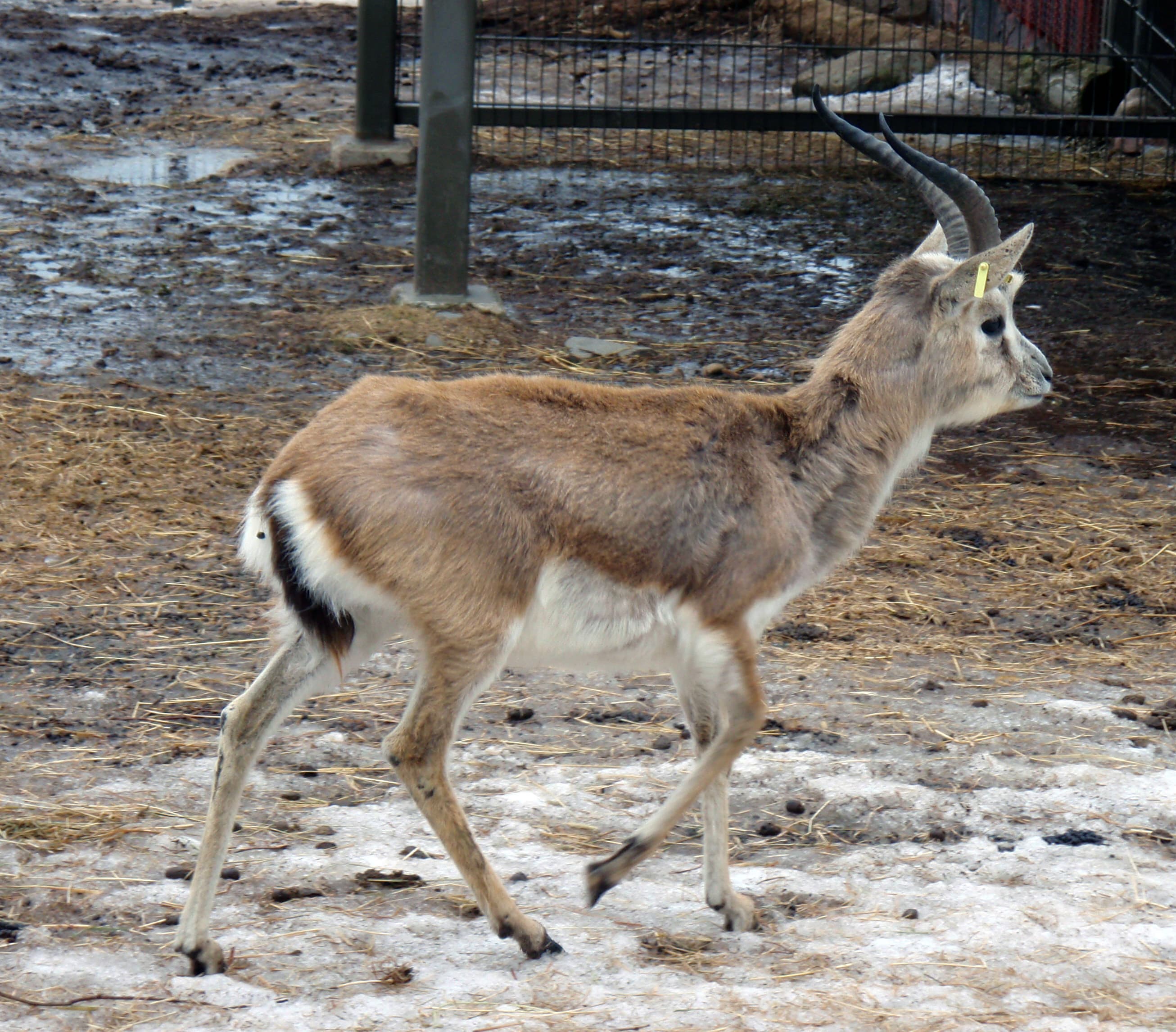
Sand gazelles live in small groups, usually led by a single male with long, curved horns. They feed on desert grasses, leaves and herbs, finding food that other animals might overlook in the sparse vegetation. They can go without water for a long time, getting much of the moisture they need from the plants they eat - a very handy trick in a dry desert.
The gazelle's sandy-brown colouring is excellent camouflage against the desert floor. When it stands still among dry grasses, it is surprisingly hard to see even from a short distance. But camouflage is the backup plan - the gazelle's first defence is always speed. Those long, elegant legs can cover ground faster than most predators can follow.
Baby gazelles, called fawns, are born in the spring. The mother hides the fawn in a shallow patch of grass or scrub for the first few days of its life while she grazes nearby, watching carefully. Within a few weeks the fawn can run fast enough to keep up with the herd, and within months it is nearly as fast as an adult.
The sand gazelle is considered a vulnerable species, meaning its numbers have dropped significantly and it needs protection. Conservation areas and wildlife reserves in Kuwait and nearby countries provide safe habitats where the gazelle can live without disturbance. Scientists track the herds with GPS collars to study their movements and keep them safe.