
The oud is the heart of a sawt performance. It is one of the oldest stringed instruments in the world, with roots going back thousands of years in the Middle East and Central Asia. Its pear-shaped body and short neck give it a warm, round sound, quite different from a guitar. Many musicians describe it as the closest instrument to the human voice in its range of expression.
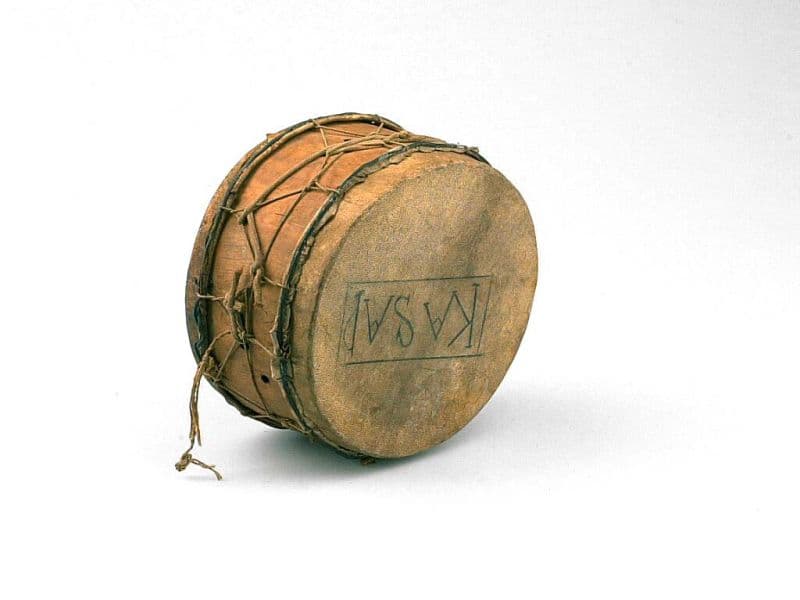
The rhythms in sawt are complex and layered. The mirwas is a small hand drum held in one hand and struck with the other, producing a sharp, bright sound. The tabla is a larger drum played with both hands, providing a deep, resonant base. Together with the oud and the singer, they create an interlocking web of rhythm and melody that listeners and dancers find almost irresistible.
Sawt originally developed among the merchant and pearl-trading families of the Gulf. As they travelled to India, East Africa and Persia, they absorbed musical ideas from those cultures, blending them with their own traditions. The result is a music that sounds distinctly Kuwaiti yet carries echoes of many distant places - a sonic record of the old trading world.
Sawt is sung at weddings, family gatherings and national celebrations. The audience do not just sit and listen - they clap, sing along to repeated refrains and often get up to dance. There are specific sawt dances performed by men, with graceful arm movements and precise footwork. Like the music itself, the dances have been passed down through families and communities for generations.